
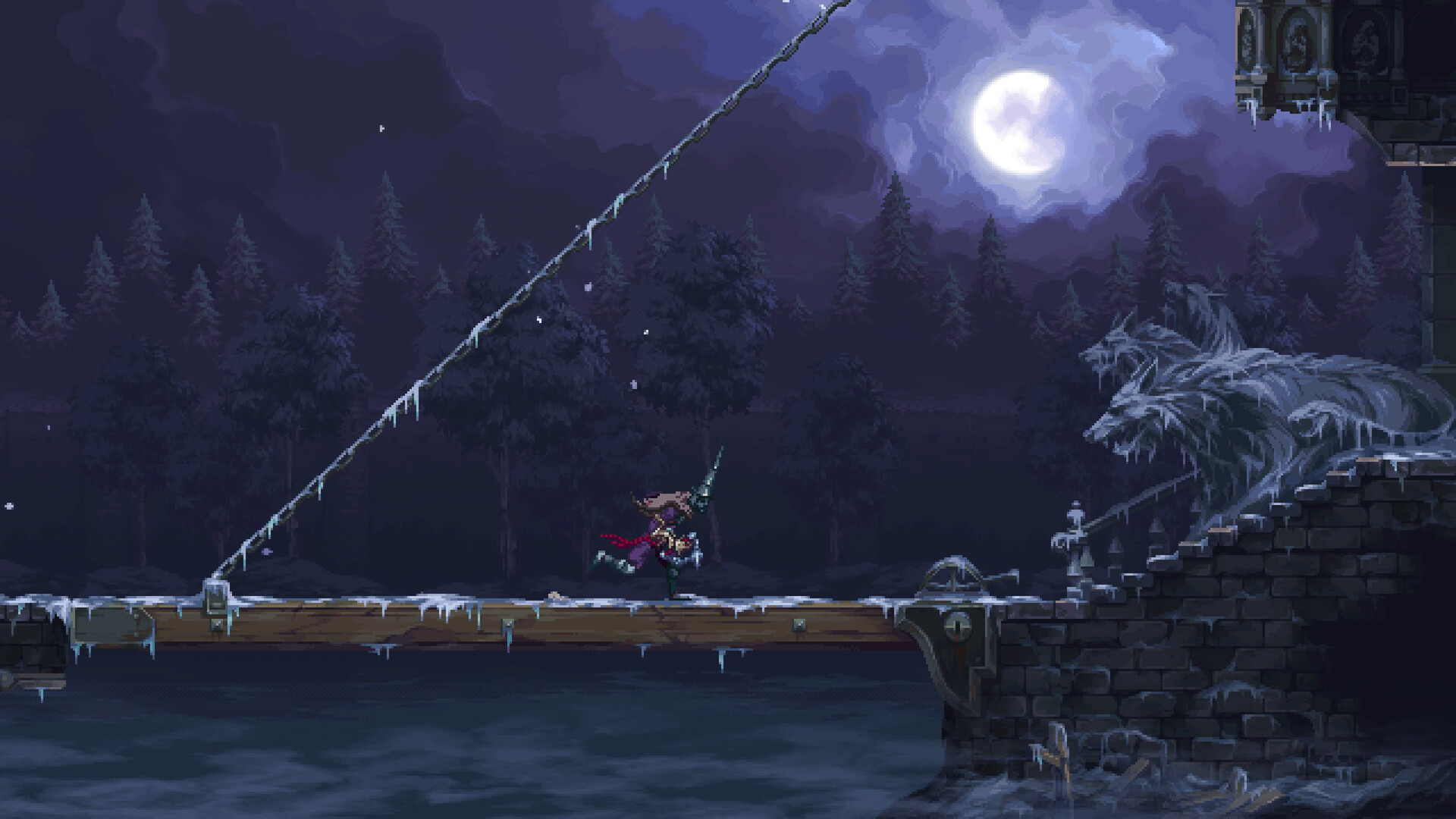
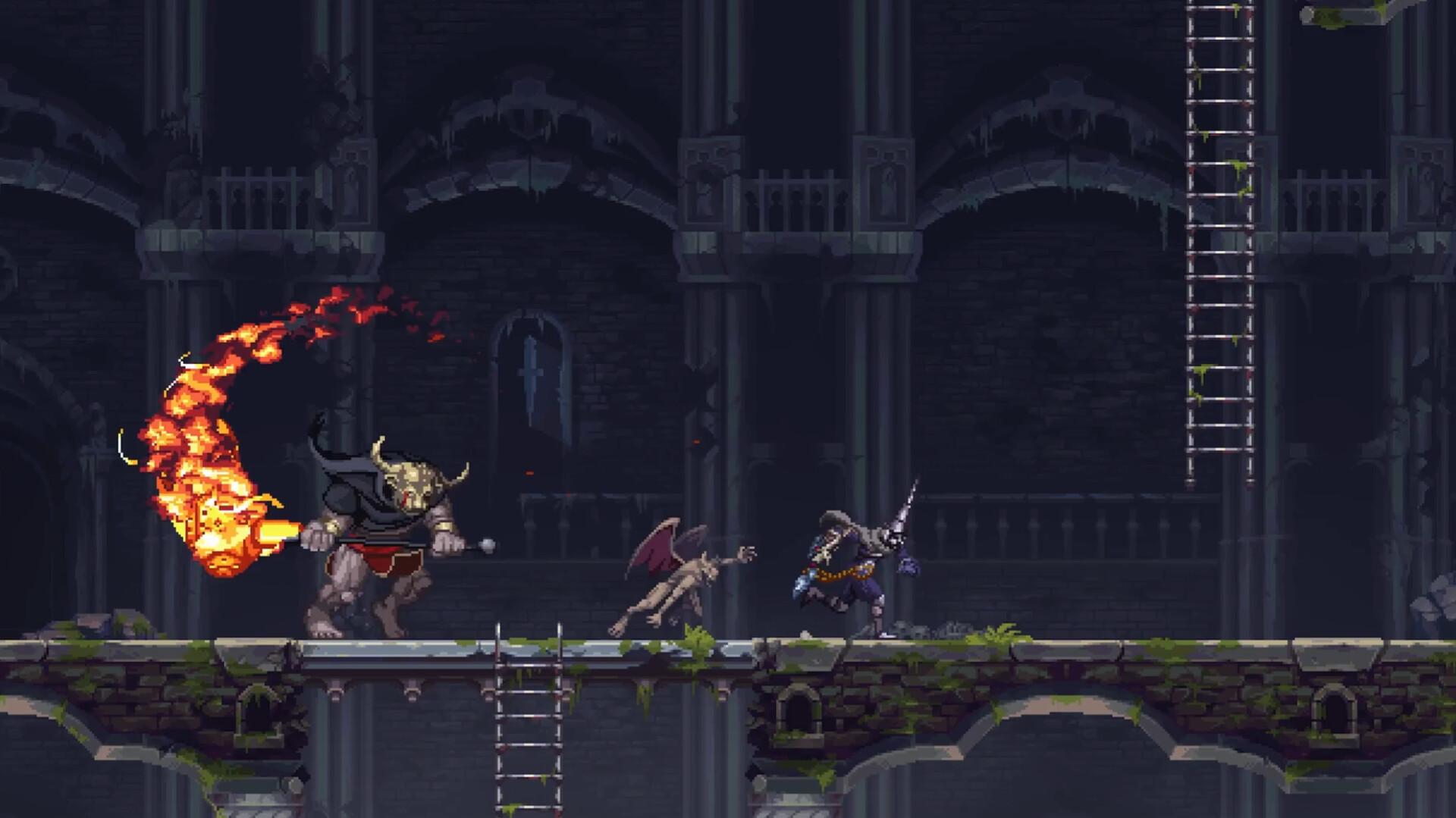
Skip the frustration, hit your targets:
First Time I Died to a Wall
I've got maybe 400 hours across both Blasphemous games. I've done the no-hit runs, the full-penitence challenges, the "only use the first weapon" suffering. And I still, on my first playthrough of Blasphemous 2, died to a goddamn wall. Not a boss. Not a trap. A wall that I thought was a platform. I pressed jump, The Penitent One slammed his face into stone, and I fell into a pit of spikes. That's the kind of game this is. It punishes assumptions.
If you're here because you bought Blasphemous 2 on a Steam sale and you're already questioning your life choices—good. You're in the right place. This guide isn't going to tell you that the game is "accessible" or "fair." It isn't either of those things. It's beautiful, punishing, and deeply weird. I'm going to walk you through the stuff that made me rage-quit three times before I finally "got it." I spent my first three runs trying to stack poison effects and got destroyed by the second boss EVERY TIME. Don't be me.
Let's get one thing straight: this game is a metroidvania with the soul of a Soulslike. You will die. You will get lost. But unlike the first game, Blasphemous 2 gives you more tools to fight back—if you know where to find them. This guide is about cutting through the nonsense so you can actually enjoy the ride.
Why This Game Wants You to Quit
I've watched four friends buy this game and refund it within two hours. Every single one said the same thing: "I don't know where to go and I keep dying to the same three enemies." That's not a skill issue. That's a design choice. Blasphemous 2 is allergic to hand-holding. It gives you a map, but the map doesn't show you doors. It gives you a goal, but every path is blocked by some glowing barrier you can't break until you find an upgrade two zones away.
Here are the three real pain points that will make you want to throw your controller:
- The Map is a Liar. You see a big open area on the map. You spend 20 minutes trying to reach it. Turns out you need to go through a secret wall in a room you already visited, behind a painting of a crying baby. Yes, that's real. There's a crying baby painting that hides a passage in the Sacred Entombments. I spent an hour there.
- Weapon Decisions Matter More Than You Think. You start with three weapons. The game tells you nothing about their scaling or movesets. I picked the Ruego Al Alba (the sword) because it looked cool. That's a fine choice, but if you picked the Veredicto (the heavy mace), you're going to struggle against fast bosses until you get specific upgrades. More on this in the tips section.
- Spikes. Everywhere. The hitboxes on spike pits are generous—for the spikes. I've died more to a pixel of exposed foot touching a spike line than to any boss. The game knows this. It puts spikes near ledges you can't even see. It's not a bug, it's persecution.
The biggest frustration is that Blasphemous 2 expects you to die repeatedly to learn simple lessons. The first boss, Venerable Mother of the Sea, has a charge attack that covers half the arena. My first attempt, I thought I could jump over it. I could not. That's a lesson the game teaches you by killing you. It's not "tough but fair." It's "tough and you better learn fast."
If you're feeling stuck, it's normal. The game is designed to make you feel lost. That's part of the atmosphere. But there's a difference between "atmospheric confusion" and "I'm going to Alt+F4." Let's fix the second part.
Your First Hour: Stop Wasting Time
You spawn in the City of the Blessed Name. You have three weapons in front of you. Do not sit there analyzing stats. Pick the one that feels best in your hands. Here's the truth: all three are viable, but they change how you play.
- Ruego Al Alba (Sword): Fast, versatile, medium range. Best for learning the game. The charged attack hits upward, which is huge for hitting flying enemies. You'll use this the entire game without issues. It scales with Dexterity and Strength.
- Veredicto (Mace): Slow, powerful, short range until you upgrade it. This weapon has a unique mechanic: holding the attack button charges a wide slam. It staggers most enemies in one hit. Bad against fast bosses, amazing against crowds. Scales with Strength.
- Sarmiento & Centella (Rapier & Dagger): Low damage per hit, but builds a critical-hit gauge. This is the high-skill weapon. You need to hit enemies repeatedly without taking damage to maintain the buff. If you're new to the genre, avoid this for your first run. I love it, but I'm also a masochist.
Once you pick your weapon, immediately go to the first save point and check your map. Your first real goal is to find the Prie Dieu room near the starting area. This is your hub. Upgrade your flask (the Bile Flasks) before you do anything else. You start with two flasks. You can find upgrades to get up to five. That's your priority.
Here's the hard truth about the first area: you can't fully explore it yet. You need the Weight of Sorrow (a double-jump ability) and the Banner of the Devotion (a dash ability) to reach half the items you see. Don't waste time trying to platform your way into a dead end. Mark it on your map and move on. There is no shame in saying "I'll come back later."
Your skill tree is called "Mea Culpa." You access it at Prie Dieu statues. You spend Tears of Atonement (the game's main currency) on upgrades. My advice: rush the Embers of the Forge line first. It increases your damage scaling with your weapon upgrades. That's more important than health early on. You need to kill enemies before they can hit you. Spending your first 10,000 Tears on health makes you a punching bag with slightly more HP. Bad call.
Also, find the Mapmaster NPC in the City early. He sells map upgrades. Buy the one that reveals door locations. It costs 500 Tears. Worth every drop. You will thank me when you stop walking into walls.
Expert Tips & Tricks That Make You Feel Like a God
Okay, you've got your feet wet. You've died to a wall, you've died to a spike, and you've died to the Feral Head enemies in the Streets of the Dead. Now let's talk about the stuff the game doesn't tell you.
1. The "Weapon Memory" System is a Trap If You Ignore It
You can equip three weapons at once. The game lets you switch between them with the D-Pad (or keyboard equivalents). Most players pick one weapon and stick with it. That's fine for a first playthrough, but here's the secret: weapon memories are tied to specific enemies. The Veredicto destroys the shield enemies that block everything. The Sarmiento & Centella shreds the multi-hit bosses. Don't be stubborn. Swap weapons mid-level. You can even swap mid-combo. I beat the final boss by switching between all three weapons during a single attack window.
2. Parrying is Not Optional.
You can parry with R1 (or whatever your block button is). This is not a "nice to have" mechanic. It's essential. The enemies in the Grilles and Ruins zone have a red flash attack that is unblockable—but you can parry it. The timing is tight, but the payoff is massive. Parrying an attack staggers the enemy for 3 seconds, during which you can do a critical riposte that does 200% base damage. Once you get the rhythm, you can parry-chain through entire groups. I went from hating the Forgotten enemies to farming them for Tears. Just practice on the first enemy type you see.
3. The Flamethrower "Ranged" Prayer is a Lie
There's a prayer called Ruego de la Madre that shoots a flame projectile. The description says "ranged attack." It's not a ranged attack. The projectile travels about three character lengths before fizzling out. Do not rely on this for distance fighting. Instead, use the Deed of the Atoned prayer. It summons a slow-moving orb that follows enemies and deals 20 damage per second for 10 seconds. That's 200 free damage while you focus on dodging. Way better.
4. Don't Hoard Your Fervour
Fervour is your mana bar. It fills when you hit enemies. Early on, I was saving Fervour for "emergencies." That's stupid. The game throws Fervour potions at you constantly. Use your prayers aggressively in mob fights. The Vindication of the Martyr prayer creates a shockwave around you that does 60 base damage and pushes enemies away. Use it when you're surrounded. It's a get-out-of-jail-free card. I use it every time I see a group of three or more enemies. My Fervour bar is always empty and I never regret it.
5. The "Secret" Room in the Sacred Entombments
There's a hidden room in the Sacred Entombments, accessible by hitting a specific wall with a charged attack from the Ruego Al Alba. Inside is a Linen of the Ancient that increases your Bile Flask healing by 30%. If you're struggling, go get this. You need the charged attack upgrade for the sword (which you get from the Basilica of the Dead boss). It's a slog, but the extra healing makes the next two zones manageable instead of masochistic.
Pro Tip From My Third Playthrough: The game has a "hard" mode called Penitence that you unlock after beating the game once. Do not activate it on your first playthrough. I did it thinking "I'm good at games, I can handle it." I couldn't. Penitence removes your healing flasks entirely and replaces them with a slow passive regen. I got stuck on the Esvit boss for 6 hours. Don't be me. Play normal first.
6. Stack Damage, Not Defense
The Rosary Beads (equippable items) are tempting for defense. There's one that gives +10% defense and one that gives +15% fire resistance. Skip those. They don't matter when a boss hits for 80% of your health in one swing anyway. Instead, equip the Bead of the Golden Sentinel (found in the Streets of the Dead) which increases your damage by 15% while at full health. Then learn to avoid hits. Offense is defense in this game. The faster a boss dies, the fewer chances it has to kill you.
For comparison's sake, this aggressive playstyle is similar to Hades where stacking damage and learning attack patterns beats stacking HP every time. Check out our Hades guide if you want to see how that philosophy plays out in a different game.
Common Mistakes to Avoid
I've made every mistake in this game. I've done the stupid thing. Here's what not to do, from someone who has the scars to prove it.
1. Ignoring the Map Legend
The map in Blasphemous 2 uses icons. A red icon means you can't progress that way yet. A blue icon means you can. A yellow icon means there's an item you haven't grabbed. Most people ignore these. I did. I spent 40 minutes backtracking through the entire City of the Blessed Name looking for a quest item that was behind a blue door. The map was telling me it was open. I wasn't reading it. Open your map every time you enter a new room. Check for blue icons. That's your next step.
2. Not Upgrading Your Weapon
You can upgrade weapons at the Prie Dieu using Marks of Martyrdom. These are rare items found in secret rooms and boss rewards. I hoarded them. Bad idea. Level up your main weapon to +3 as soon as you can. The damage increase from +0 to +3 is roughly 40%. That's enormous. The Streets of the Dead boss becomes trivial with a +3 sword. Without it, you're tickling him to death.
3. Killing the Wrong NPCs
Early in the game, you meet a character named Redento. He's a pilgrim who asks for directions. You can hit him. Don't. He disappears and you lose a side quest that gives you a Rosary Bead that auto-collects items from a distance. It's the best utility bead in the game. I killed him on my first run because I thought he was an enemy. I spent the rest of the game manually walking over every Tears drop. Don't be that guy.
4. Overusing the Dash
Your dash has a short invincibility window (about 8 frames at 60 FPS). It's tempting to spam it. But the recovery animation is long. If you dash into an attack, you'll take damage during the recovery. Save your dash for specific attacks, not for general movement. The Venerable Mother boss has a wave attack that you can jump over. I kept dashing into it and dying. Jumping is free. Dash is a resource.
5. Forgetting to Equip Your Upgrades
This sounds stupid, but I guarantee someone reading this has a Rosary Bead sitting in their inventory that they picked up six hours ago. The game does not automatically equip items. Open your inventory, go to the Rosary tab, and equip items manually. Same with Prayers. You can have up to three prayers active at once. Most players forget to slot the second and third. I've done it. It's embarrassing.
6. Rushing the Bosses
Every boss in Blasphemous 2 has a pattern that repeats. Spend the first 30 seconds of the fight not attacking. Just dodge and watch. Learn the tells. The Great Preceptor Radames boss has a jump attack where he pauses for a full second before slamming down. If you dodge immediately, you'll get hit by the delayed slam. Wait. Count to one. Then dodge. That's the whole fight. I beat him on my second try after learning that. My first try lasted five seconds.
Questions I Get Asked Every Stream
Q: What's the best weapon for a beginner?
A: Ruego Al Alba, the sword. It's the most versatile. You can cancel your attacks into dodges faster than with the mace, and it has better range than the rapier/dagger combo. You can beat the entire game with just this weapon. I've done it.
Q: I keep dying to the same enemy type. What do I do?
A: Look at its attack pattern. Every enemy has a "tell." The Feral Head enemies always do two slashes then a pause. Parry the first slash, then attack during the pause. The Forgotten enemies do a three-hit combo that ends with a slow overhead slam. Dodge through the first two hits, then punish the third. Spend five minutes just watching one enemy type. You'll get it.
Q: Where is the double jump?
A: The Weight of Sorrow is in the Basilica of the Dead area. You need to beat the Great Preceptor Radames boss to get it. That boss is a damage check. If you're struggling, go back and upgrade your weapon to +3 first. You can find Marks of Martyrdom in the Sacred Entombments secret rooms (hit walls with charged attacks).
Q: Is the game harder than the first Blasphemous?
A: I'd say it's slightly easier because you have more movement options. The first game had no dash and no dual-wielding. But the bosses here are more complex. The Esvit boss alone has more moves than any boss in the first game. If you're coming from the first game, unlearn your habits. You can't just tank hits with prayer spam anymore. You need to be mobile.
Q: What should I spend my Tears of Atonement on first?
A: The Mea Culpa skill tree. Specifically the Embers of the Forge branch. Increasing your damage output makes the early game bearable. After that, buy the Health upgrades (the heart icons) until you have 5 health pips. Then go back to damage. Do not buy the Fervour upgrades early. They're a trap. You get enough Fervour from hitting enemies.
Q: I'm stuck on a platform that seems impossible to reach.
A: Check your map. Is there a glowing orange icon nearby? That's a Mirror of the Heart of Orison. You need to use that to unlock a fast travel point that connects to other areas. You can't reach that platform yet. Mark it and come back after you get the Banner of the Devotion (the dash). This game loves to hide stuff behind movement upgrades.
Q: Any tips for the final boss?
A: Bring the Deed of the Atoned prayer. It's the slow orb that follows enemies. The final boss has brief windows where you can hit him. The orb keeps doing damage while you're dodging his phase transitions. Also, equip the Bead of the Golden Sentinel for the damage boost. The fight is about patience, not aggression. I spent the first phase just dodging and letting the orb tick his health down. Phase two is the same but with more projectiles.
For a deeper dive on build strategies and how this game's pacing compares to other punishing metroidvanias, take a look at our Dead Cells guide. The philosophy of "learn patterns, not combos" carries over perfectly.
Disclosure: This guide may contain affiliate links. If you purchase games or products through these links, we may earn a small commission at no extra cost to you. This helps support our work in creating free, high-quality guides. All opinions and recommendations are our own.
Sign in to post a comment.
Sign in with GitHub to join the discussion.
💬 Comments
What players are saying:
Dude, I killed Redento because you said not to and I laughed so hard at myself. The tip about reading the map legend saved my playthrough. I was stuck in the Sacred Entombments for two days because I didn't realize a blue door was open. Thanks for the honesty about the flamethrower prayer too—I was relying on that thing like it was a sniper rifle and wondering why it sucked.
Hard disagree on the Veredicto take. I picked the mace on my first run and it carried me through the entire game. Once you get the charged slam upgrade, it staggers every basic enemy in the game. The fast bosses are rough, sure, but that's what the parry is for. That said, the tip about stacking damage over defense is 100% correct. I was using the +defense beads and getting two-shot anyway. Switched to damage beads and suddenly the game clicked. Good guide, even if you're wrong about mace supremacy.
The part about the wall hit me in the soul. I died to a painting in the Sacred Entombments because I thought it was a joke texture. Turns out it was a secret door I needed to hit with a charged attack. The tip about the Deed of the Atoned prayer was the single best advice in this whole guide. I was ignoring prayers because they seemed weak. That orb carried me through Esvit after 30 attempts. Changed my entire view of the combat system. You should write more guides like this—no fluff, just real pain and solutions.