Skip to a section:
The Honest Truth About Jedi: Survivor
Look, I've been playing this game since launch day, and I've got about 500 hours across three save files. I've deleted characters in frustration, thrown controllers (yeah, I know, expensive hobby), and spent entire evenings staring at a loading screen after getting one-shot by something I couldn't even see. I've also cried at the story beats, spent thirty minutes just looking at the skybox on Koboh, and felt like an actual Jedi when I finally parried an entire battalion without taking a hit.
This game is hard in ways that feel personal. It's not just "oh, the boss has more health." It's "the camera just got stuck on a pillar and I couldn't see the attack that deleted my health bar." It's "I parried perfectly but the game decided that dodge was actually a jump and now I'm in a bottomless pit." If you're here because you're frustrated, I get it. You're not bad at games. Jedi: Survivor has some genuinely cruel design choices that the tutorial completely ignores.
This guide is going to cover the stuff the manual doesn't. The real pain points. The exploits. The things I figured out after thirty hours of banging my head against a wall so you don't have to. I'm not going to tell you "just git gud." I'm going to tell you exactly how to get good, step by step, with specific numbers and timings.
Why Players Struggle — The Rage Quit Moments
Let me call out the boss that made me almost quit: Rayvis. First time I fought him, I had no idea what was happening. His unblockable attack has a wind-up that looks identical to his normal swing. The tells are hidden behind particle effects. I died twelve times before I realized I was supposed to watch his left foot, not his sword. The game expects you to read animations that are borderline invisible in combat chaos.
Then there's the platforming. The movement in this game is incredible—when it works. But the air dash has a dead zone that doesn't register if you're too close to a wall. I can't count how many times I've fallen into the Koboh abyss because Cal decided to grab air instead of the ledge that was literally in front of his face. The climbing sections have specific spots where the wall-run just... stops. You need to know which walls are "real" and which are decorative death traps.
The perk system is another hidden frustration. The game gives you a bunch of slots, but it doesn't tell you that certain perks have hidden downsides. The "Fortified" perk looks amazing (+20% defense) until you realize it also increases the stagger you take from attacks. You know what happens when you stagger more? You get combo'd to death. I ran that perk for ten hours before I realized it was actually making my survivability worse.
And don't even get me started on the force tear challenges. Some of them are pure trial-and-error garbage. The one where you have to kill twenty enemies without touching the ground? The hitboxes on the floating platforms are about 30% smaller than the visual model. You'll be standing on what looks like solid rock and just slide off. I had to cheese that one by using the slow-motion ability at specific intervals just to survive.
Getting Started — What You Actually Need to Know Day One
Forget everything you learned from Fallen Order. This game has a different flow. The stamina system (I call it the "force meter" even though it's not technically force) recharges faster, but the enemies are way more aggressive. Your first few hours should be focused on one thing: learning to parry, not dodge.
Here's the real advice: Set your difficulty to Jedi Knight (the default is fine, but don't touch Grand Master until you've beaten the story once). The higher difficulties don't make you "better faster," they just make the enemies one-shot you from full health with a random attack. That doesn't teach you spacing. That teaches you to be scared.
Your first skill point should go into the "Precision Parry" upgrade. It's in the Sentinel tree. This gives you a larger window to parry, which is the single most important mechanic in the game. Without it, you're gambling every time you hit the block button. With it, you can reliably deflect blaster bolts and stagger melee enemies. I put my first three points into health and regretted it for twenty hours. Health doesn't matter if you can't avoid damage.
When you get to Koboh and see the Mantis (your ship), don't leave. I know the main quest marker is blinking. Ignore it for at least two hours. Explore the area around the crashed ship. There are three skill point pickups hidden in that first zone that don't require any abilities you don't already have. One is behind a waterfall near the first meditation point. Another is on a ledge you need to wall-run to, but the angle is deceptive—you need to jump early, not late.
Gear progression is weird in this game. You don't just "find" better lightsabers. You find hilt components that change your stats. The "Hunter's Hilt" gives +2 to stance damage but reduces your block meter regen by 15%. The "Peacekeeper" hilt gives +1 to defense but slows your attack speed. There's no single "best" hilt. I swap between three of them depending on the zone. For early game, use the Hermit Hilt (found in the first Koboh vault)—it gives a small damage boost with no downside.
- First weapon stance: Use the Crossguard. I know it's slow. I know it feels clunky. But the damage per hit is absurd (double the base lightsaber) and the heavy attack has hyper armor. You can trade hits with most enemies and win because your stagger threshold is higher. Just don't spam the combo—use the charged heavy, then back off.
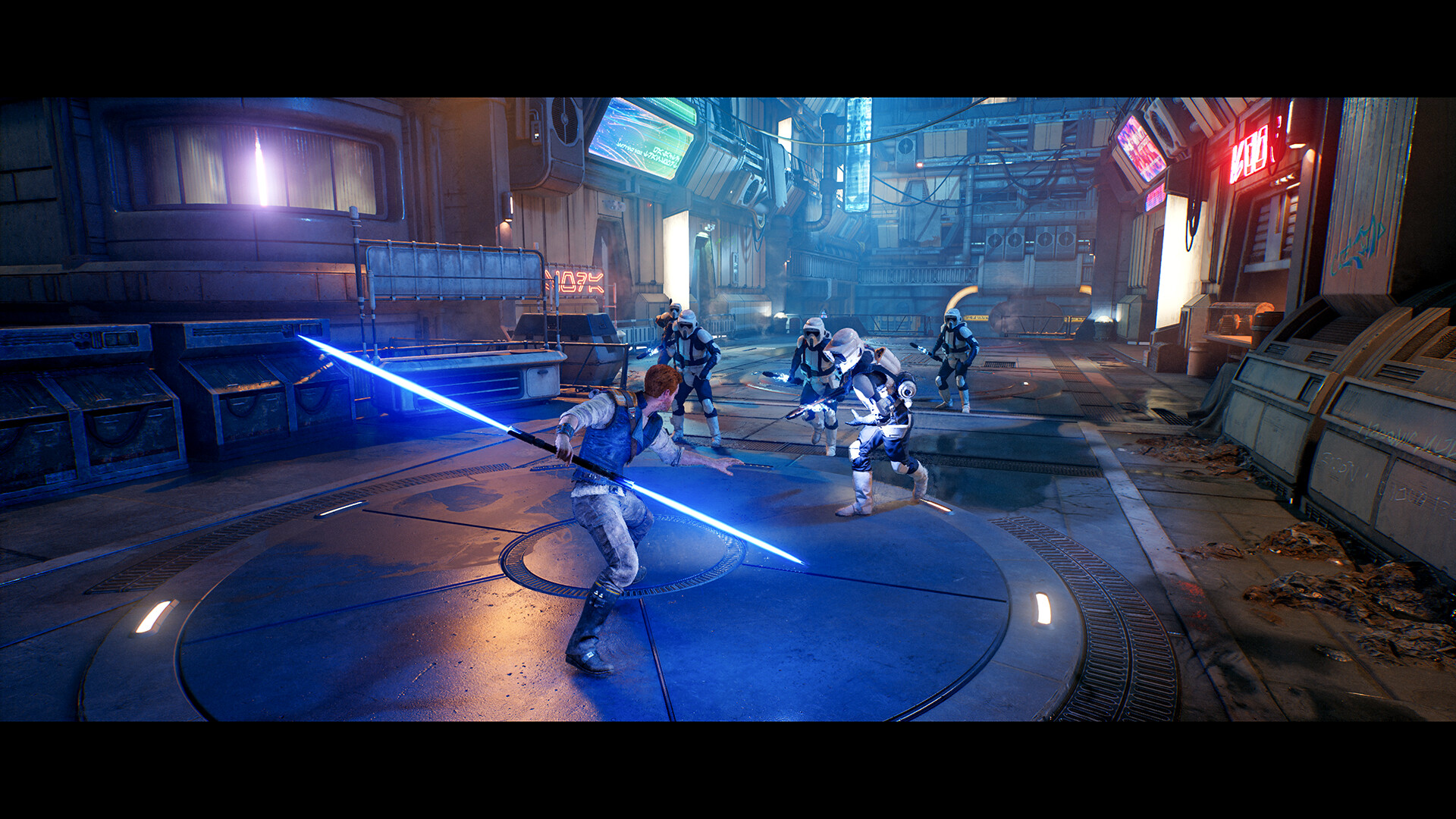
- Second weapon stance: Use the Double-Bladed. This is your crowd control. The spin attack hits in a full 360 arc and has a hidden +25% parry window when you block. It's the "oh shit" button for when three melee guys rush you.
- Avoid the Blaster stance until you've beaten the game once. It's a trap for beginners. The ammo management is punishing, the damage is mediocre, and it requires perfect distance control that you don't have yet.
Upgrade your saber throw ASAP. It's in the Force section. Max it out first. Why? Because you can throw the saber, then while it's returning, start a combo. The saber hits twice (once going out, once coming back) and each hit builds your stun meter. Most mini-bosses can be stunlocked with saber throw + two light attacks, repeat. It's broken. I used this to beat the Spawn of Oggdo at level 4 when I had no business being in that area.
Expert Tips & Tricks — Advanced Techniques
Okay, you've got the basics. Now let's talk about the stuff that separates a good player from someone who dies to the first Purge Trooper.
Animation Canceling — This is the single most important tech in the game that the tutorial doesn't mention. You can cancel the recovery frames of most attacks by pressing dodge at the exact moment the attack lands. Not after. Not before. The frame window is about 8 frames (roughly 130ms at 60fps). If you time it right, you don't do the "winding down" animation and can immediately block or attack again. This turns the slow weapons (Crossguard, Blaster) into viable tools. I practiced this for thirty minutes in the training room before I got it consistent.
Force Slow Manipulation — The slow-motion ability has a hidden mechanic: it doesn't just slow enemies, it stops any projectiles in mid-air. This includes your own saber throw. So here's the combo: throw the saber, immediately use Force Slow, run behind the enemy, and the saber will hit them from the front while you attack from behind. It's a free backstab that does extra damage. The game considers it a "sneak attack" even if they're already aggro'd.
BD-1 Overcharge — Your little droid buddy can overcharge doors and terminals, but did you know he can also overcharge your stance meter? If you hold the interact button while he's on your shoulder, he gives you a 15-second buff that increases your stance damage by 30%. The cooldown is 60 seconds. Use this before every boss fight. It's a free damage boost that stacks with other perks.
Wall Jump Resets — In platforming sections, if you wall jump then immediately dodge, you cancel the "sticky" landing animation and can wall jump again instantly. This lets you scale infinite-height walls that normally require multiple ledges. There's a secret area on Jedha that's only accessible with this tech. I found it by accident and it has a chest with a perk that gives +2 charge to your Force meter. Totally worth the ten minutes of practice.
Priority Target List — Not all enemies are equal. In a group fight, you should always kill in this order:
- Rocket troopers — They track you relentlessly and the rockets have a massive blast radius.
- Electro-baton Purge Troopers — Their attack chains are long and ignore your block meter.
- Snipers — They're squishy (two hits) but they'll interrupt your combos from across the map.
- Melee grunts — These are free parry practice. Leave them for last.
❝ I wish I knew this earlier: ❞
When you unlock the Lift ability (not Force Push, Lift), you can use it on any enemy that has less than 50% health, including bosses. Yes, even Rayvis. If you time it during his second phase when he's charging his big attack, the Lift cancels his entire move and puts him in a 3-second stun. Most players never use Lift in combat because they think it's just for puzzles. It's a free interruption that doesn't cost much Force. I felt like an idiot when I discovered this at hour 40.
Stance Switching Mid-Combo — If you have two different stances equipped, you can switch between them during a combo without resetting your animation. The trick is: press the stance swap button immediately after a block. So the sequence is: attack (Crossguard heavy), hold block, swap to Double-Bladed, release block, spin attack. The game buffers the input and the second stance starts its attack from the same momentum. This lets you do a Crossguard heavy for the stagger, then immediately follow up with a fast spin for the damage. It's two stance moves in the time it takes to do one normal combo.
Common Mistakes to Avoid — The Things That Got Me Killed
Mistake 1: Treating the game like a Soulslike — This isn't Dark Souls. You can't just roll through everything. The invincibility frames on the dodge are shorter (about 10 frames vs. Dark Souls' 13). You're actually supposed to block and parry. I spent my first ten hours trying to dodge everything and got destroyed. The block button is your best friend. Hold it. Learn the parry timing. Check out our Dark Souls guide for comparison, but unlearn the habit of panic rolling.
Mistake 2: Ignoring the skill tree's "permanent" upgrades — Some upgrades in the tree say "increase your maximum health." Those are not permanent. They're tied to your current meditation point. If you die without resting, you lose the bonus. I didn't realize this until hour 15 when I kept wondering why my health bar seemed to shrink. The only permanent health gains come from the Stim Canisters and specific story upgrades. Check the tooltip—if it says "until next rest," it's temporary.
Mistake 3: Using the slow ascent/descent on every long fall — The air dash (double jump) has a hidden speed penalty on the second jump. If you hold the button down for the slow fall, it actually slows your horizontal movement by 40%. In some platforming sections, this makes you miss the next wall run. The solution: tap the jump button twice quickly for a fast double jump, then after the apex of the arc, hold the button for the slow fall. That way you get the distance first, then the safety.
Mistake 4: Selling the wrong components — You can sell hilt parts and cosmetics for credits. But some hilt parts have hidden stat effects that aren't displayed in the shop menu. Specifically, the "Enforcer" grip (looks like a leather wrap) gives a hidden +1 to crit chance. I sold it for 50 credits and never found it again. The game doesn't respawn these. Check every new hilt piece against a wiki before you sell it, because the stat screen lies by omission.
Mistake 5: Trying to do the New Game+ content immediately — The New Game+ mode (after beating the story) introduces a few new enemies and some harder variants. But do not play it on Grand Master. The scaling is broken. Enemies in NG+ on Grand Master have about 3x the health and deal 2.5x damage compared to your first playthrough on the same difficulty. That's fine for veterans, but for a first-timer, it's artificial difficulty. Play NG+ on Jedi Master at most. The rewards are the same (you get the red saber crystal regardless of difficulty). I learned this the hard way and had to drop the difficulty three hours in.
Mistake 6: Not using the photo mode during boss fights — Okay, this is a joke, but also not. The photo mode pauses the game, and in that pause, you can rotate the camera freely to see enemy tells that are normally off-screen. I used this to study Rayvis's attack patterns in real-time. Hit the menu button, go to photo mode, look around, unpause, and dodge. It's cheese, but it works if you're stuck.
Frequently Asked Questions
Q: What's the best stance for first-time players?
A: Crossguard for damage, Double-Bladed for defense. Blaster stance is a trap. Dual Wield is good but requires perfect timing. Stick with those two. Switch based on the enemy type.
Q: I'm stuck on the Spawn of Oggdo. Help.
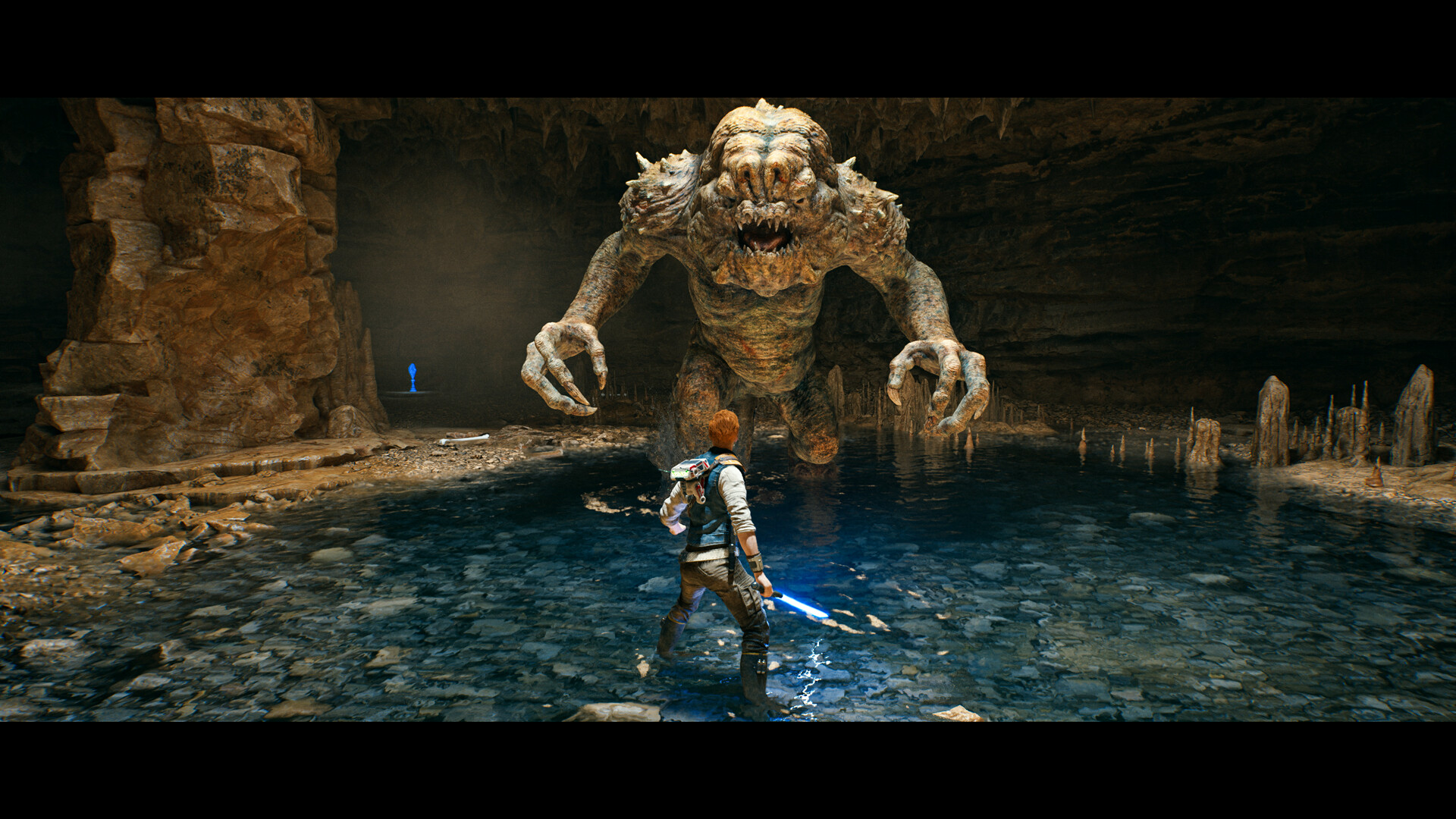
A: That boss is unfair. It's designed to be a "come back later" fight. The tongue grab attack has a 1.2-second wind-up, but it tracks 180 degrees. Run toward it when you see the tongue—the grab has no hitbox behind its head. Use the saber throw + slow combo I mentioned earlier. And if you're still stuck—turn down the difficulty. No shame. The game's scaling on this boss is outright broken.
Q: Can I respec my skill points?
A: Yes, but it's limited. There's a meditation point option to "reset" your skill tree, but it costs a Skill Point to do it. So you can only respec as many times as you have skill points to burn. There's also a late-game NPC who sells a consumable respec item for 5000 credits. I'd save your credits for that rather than wasting skill points.
Q: How do I find all the skill point upgrades?
A: There are 68 total skill points available in a single playthrough. About 30 come from leveling up. The rest are from exploration: hidden chests, Force Echoes, and challenge rooms. Use BD-1's "Treasure" scanning mode constantly—it highlights the secret walls and buried chests. One specific trick: on Koboh, in the forest area east of the main base, there's a tree that looks climbable but isn't. Use the wall-run + dodge cancel to scale it and there's a skill point at the top.
Q: The performance is bad on my PC. Any fixes?
A: Yep. Turn volumetric fog to low. That's the single biggest performance hit. Also turn shadows to medium. The game uses a CPU-heavy streaming system, so if you have an older processor (pre-2020), cap your framerate at 60. Going higher actually causes more stuttering because the streaming can't keep up. There's a mod on Nexus that fixes some of the memory leak issues, but that's not officially supported—use at your own risk.
Q: Is the story worth it if I'm struggling?
A: Absolutely. The narrative is the best part of this game. The dialogue, the character arcs, the set pieces—it's a proper Star Wars story that respects the characters. Don't let the difficulty ruin that for you. Drop the difficulty to Story Mode if you need to. You can always bump it back up for New Game+. The game doesn't lock you into a difficulty once you choose it.
Q: Any tips for the final boss (Dagan Gera)?
A: His second phase has a red aura attack that teleports him behind you. The tells are subtle. He flashes once (fake) then twice (real). The second flash is when you dodge. I died six times on this before I realized I was dodging on the first flash every time. Count to two. Also, his unblockable grab can be interrupted if you hit him during the wind-up with a heavy attack. The crossguard heavy has enough stagger to cancel it. Don't try to dodge the grab—it has absurd tracking. Just cancel it.
Sign in to post a comment.
Sign in with GitHub to join the discussion.
💬 Comments
What players are saying:
Thank you for confirming the crossguard heavy cancel on Dagan's grab. I must have died 15 times trying to dodge it and it always caught me. The tip about the double flash was also spot on. Now if only someone could fix the camera in the Spawn of Oggdo fight...
I hate that you're right about the Crossguard stance being the best for beginners. I avoided it for 30 hours because it felt slow. Read this guide, tried the heavy + back off strat, and suddenly I was beating enemies I'd been stuck on. The trade damage advice is legit. Beginner mistake #4 (hidden stat effects) cost me a great hilt piece though, so thanks for the warning.
I actually disagree with the Blaster stance being a trap. It's bad for beginners, sure, but once you have the animation cancel down it becomes the highest DPS stance in the game. The guide's advice is solid for first-timers, but I think Blaster deserves a second look after you've beaten the story. That said, the Force Slow + saber throw trick is something I'm definitely stealing. Good stuff.