
Jump to a section:
So You Bought Nioh 2. You Poor, Beautiful Soul.
Let me be straight with you. I've got over 800 hours in this game across three playthroughs and a New Game+ cycle that I still fire up when I want to feel like a god. And I still remember the first time I opened this game, picked a weapon that looked cool, and got absolutely demolished by the tutorial boss. Not "oh I died" demolished. I mean "I died 14 times before I realized I could sprint" demolished.
Nioh 2 is not Dark Souls. It's not Sekiro. It's like if those games had a baby with a fighting game, then that baby got possessed by a yokai and started spamming combos. The game throws systems at you like a kid throwing spaghetti at a wall: Ki Pulse, Burst Counters, Yokai Shift, active skills, stance switching, ninjutsu, onmyo magic, soul cores, gear rarity, set bonuses... It's overwhelming. I spent my first three runs trying to stack poison damage and got destroyed by the second boss EVERY TIME because I didn't understand that poison in this game works completely different than Dark Souls.
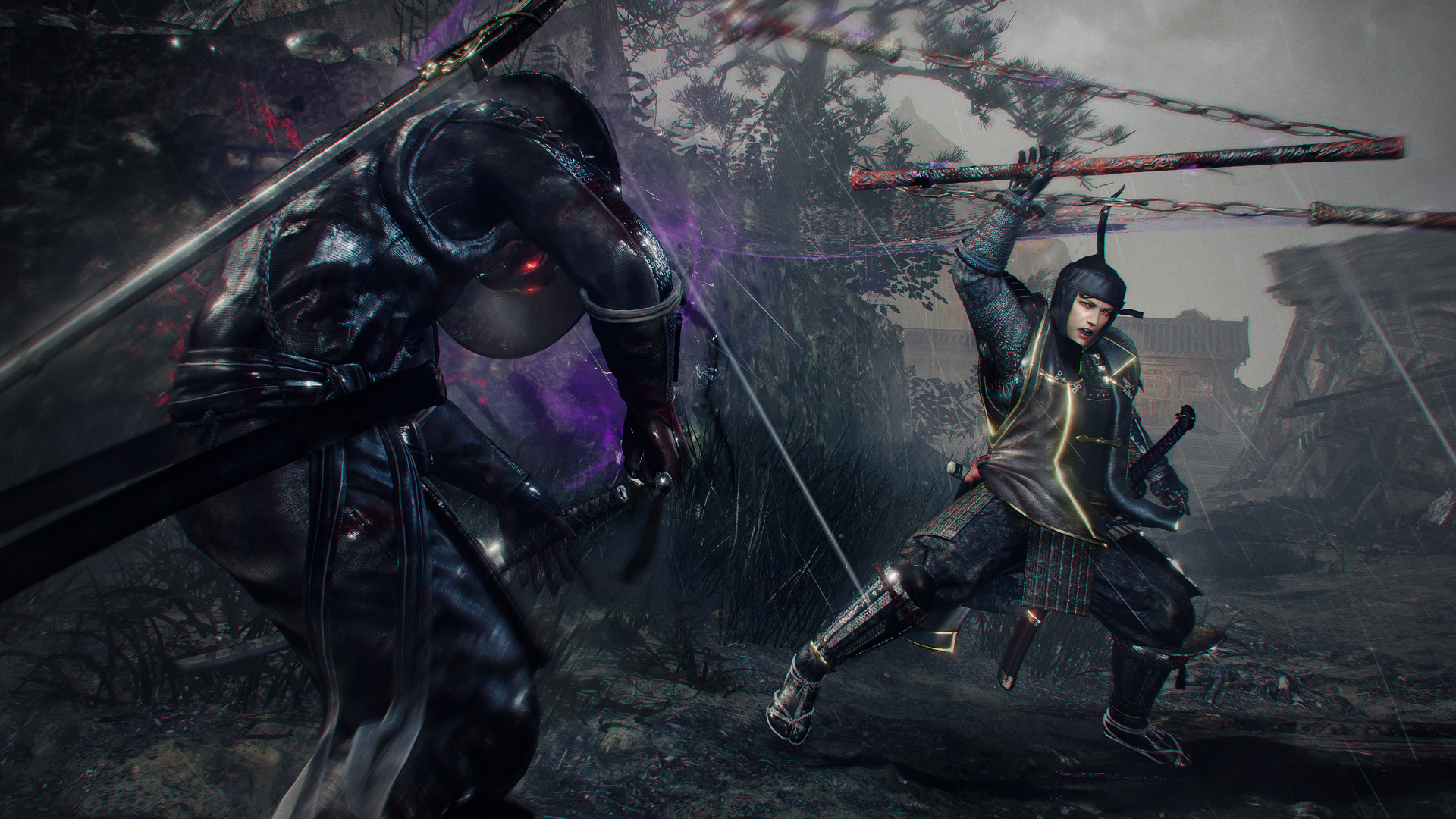
Here's the truth: Nioh 2 is a deeply unfair game, and it expects you to be just as unfair back. The enemies will cheat. The bosses will read your inputs. The camera will betray you in tight corridors. But once you learn the language this game speaks—once you stop playing it like a soulslike and start playing it like a character action game—it becomes one of the most satisfying combat experiences ever made.
This guide is for the person who just bought the game on sale, played for two hours, and texted their friend "what the hell is a Ki Pulse." I'm here to tell you that it's not your fault the game didn't explain itself. It didn't explain me either. I learned by bleeding.
Why You're Dying (And Why It's Not Your Fault)
Let's name the elephant in the room: Nioh 2's tutorial is garbage. It shows you a bunch of systems on screen, gives you one training dummy to hit for 60 seconds, and then throws you into a level with three enemies that can stunlock you to death. The game lies to you about what's important.
The Stamina Problem — The game calls it Ki. You'll hear veterans say "Ki management is key." What they don't tell you is that your Ki bar is basically a ticking clock. In Dark Souls, you can roll three times and still have stamina to swing. In Nioh 2, two dodges and a single heavy attack will leave you gasping for air. And enemies? They have infinite stamina. They will chain 8-hit combos while you're sitting there with an empty bar, watching yourself die. The Ki Pulse mechanic (pressing R1 after an attack to recover stamina) isn't optional. It's the difference between living and loading a save.
Yokai Realms Are Punishment — When you hit a yokai (the demon enemies) enough, they create a dark pool on the ground called a Yokai Realm. Standing in it? Your Ki recovery is halved. You can't dodge properly. You can't block. It's like fighting underwater while someone vacuums your stamina. The game expects you to learn that you have to Ki Pulse inside that pool to clear it, but it never tells you this clearly enough. I spent 10 hours just tanking the debuff and wondering why the game felt impossible.
Bosses Have No Manners — The first real boss, Enenra, is a giant fire demon that hits you with delayed attacks, grabs you through dodge rolls, and summons tornadoes that track you. Your reaction time doesn't matter if you don't know the tells. I killed him by accident on one run, then died to his second phase 20 times on another. This is normal.
The Gear Loot Pinata — This game gives you more loot than a Diablo game. By level 20, you'll have 300 pieces of gear in your inventory, half of which are "Divine" rarity that you can't even use yet. The UI is a nightmare. Sorting through it feels like a second job. I've met players who quit because they couldn't handle the inventory management.
But here's the thing: all of these problems are solveable. You just need to know what to ignore and what to obsess over.
Day One Survival Guide: What You ACTUALLY Need to Know
Forget everything everyone told you. Here's the real starter pack:
- Pick the Switchglaive for your first weapon. I don't care if the Odachi looks cooler. The Switchglaive has a stance that lets you hit enemies from outside their attack range, and its combos are forgiving. It's the training wheels weapon. You can swap later. But for the first 10 hours, the Switchglaive will keep you alive.
- Bind Ki Pulse to muscle memory on day one. Go into the settings and change the Ki Pulse timing indicator to "always on." The game hides it by default. You want to see the little blue flash around your character every time you can Ki Pulse. Spend 30 minutes in the tutorial area just doing this: attack, Ki Pulse, attack, Ki Pulse. Boring? Yes. But this is your dodge button now.
- Block more than you dodge. This is the biggest lie the Souls games taught you. In Nioh 2, blocking costs less Ki than dodging for most weapons. Against human enemies, hold block and circle-strafe. Against yokai, block the first hit, then dodge the follow-up. Your guard will save you more times than your roll.
- Set your first shortcut to a Confusion elixir. There's a consumable item called "Anti-Yokai Water" or something similar that purifies Yokai Realms instantly. Read the tooltip. Find it. Put it on your quick select. When you see a Yokai Realm pool, use this item instead of trying to Ki Pulse through it. You can farm these later, but early game, they're free saves.
- Get the "Living Water" skill immediately. In the Samurai skill tree (the one that costs Samurai points), there's a skill called Living Water that lets you Ki Pulse by dodging. This is the single most important skill in the entire game. It means you can attack, dodge, and recover Ki all in one motion. Rush this skill before you buy anything else.
Your first hour checklist: Create your character (spend 10 minutes, you'll see their face a lot). Do the tutorial mission. Pick the Switchglaive and a secondary weapon of your choice (Kusarigama is great for crowd control). Spend your first Samurai skill point on Living Water. Then, before you even leave the first village, go to the shrine and equip the "Protection Talisman" from Onmyo Magic. It gives you a damage shield equal to 100% of your health. That's basically double health for the first boss.
The game's stat system is confusing because it has five stats but only two matter for your damage. Put your first 10 levels into Heart. Heart gives you more Ki (stamina). More Ki means more attacks, more dodges, more chances to live. Once your Heart is at 15, start putting points into whatever stat your weapon scales with (look at the weapon's stat bonus letters—you want to prioritize the one with a B or A rank). But Heart first. Always Heart first.
Pro Tip I Wish I Knew on Day One: The game has a "Dojo" option from the starting area map. It's not just a tutorial. There are hidden master skill missions in the Dojo that unlock entire movesets for your weapons. For example, the Sword's unique skill "Sword of the Wind" is locked behind a Dojo quest you can't do until you've used the sword 30 times. I didn't know this existed until my third playthrough. I was using a weapon with 60% of its moveset for 80 hours. Check the Dojo every 10 levels. You're welcome.
Advanced Tricks That Make You Feel Like a Cheater
Once you've got the basics down, here's how to start bullying the game back.
- Exploit Confusion (the status, not your state of mind). If you apply two different elemental status effects to an enemy (like Fire and Lightning), they get "Confused." Confused enemies take 50% more damage and lose all their Ki. They can't attack for a few seconds. You can do this by using an elemental talisman on your weapon plus a soul core that applies the other element. For bosses, this is the "delete button." I killed the final DLC boss on New Game+ in 45 seconds with Confusion looping.
- Burst Counter timing is a lie. The game teaches you to Burst Counter (the special parry that stops Yokai special moves) by hitting the button as the enemy's red aura attack lands. But the timing is actually much earlier than you think. For most Yokai, press the Burst Counter button the moment you see the red glow around their body, not when the attack is about to hit you. I spent 100 hours failing Burst Counters before I realized I was reacting too late.
- Yokai Shift is not a panic button. It's a combo extender. Pop Yokai Shift when your Ki is low and the enemy is stunned. Use the shift's charge attack to break their guard, then cancel the shift early by pressing R1+L1 to do a massive damage burst. Most players save Yokai Shift for emergency healing and waste it. Use it offensively. Treat it like a super move, not a heal.
- Stack "Melee Damage vs. Zero-Ki Enemies." There's a stat that appears on some accessories and set bonuses. When an enemy's Ki bar is empty (the purple bar under their health), they take double damage from all sources. If you stack this stat, you can do 3x or 4x damage to enemies when they're exhausted. This is how vets kill bosses in 2 combos. Look for this stat on your Yasakani Magatama accessories (you'll get one around mid-game).
- Use the "Feral" Burst Counter phantom type for the entire game. There are three types of Burst Counter phantoms. Feral is the best for new players because it has a huge invincibility window and moves you forward. Brute requires you to be close to the enemy. Phantom requires perfect timing. Feral is the "I'm not sure when to hit it, but I'll be safe anyway" option. Switch once you're comfortable, but start with Feral.
A note on builds: The internet will tell you to run "Ninjutsu Feather Spam" or "Magic Shell Tank." Ignore them. The best build for a first playthrough is "whatever weapon you like + medium armor + extractor soul core." Use the Soul Core "Yoki" (the glowing blue one) because its active ability attacks fast and regains some health. It's a solid all-rounder. Save the fancy builds for New Game+.
For those coming from other games: this game's combat loop is closer to Devil May Cry 5 than Dark Souls. You want to stay aggressive, cancel recovery animations, and chain attacks using Ki Pulses. If you're standing still for more than 2 seconds, you're playing wrong.
Common Mistakes That Killed Me (And Probably You Too)
I've died over 3,000 times in this game. Here are the stupid ways I died that you can avoid:
- Not checking gear level before a boss. There's a mission in the second region called "The Beast of the Blue." The boss there hits like a freight train. I went in with a level 22 weapon against a level 35 boss. I hit him for 80 damage per swing. He killed me in two hits. I spent 4 hours banging my head before I went back, equipped a level 30 weapon from a side mission, and killed him in 3 minutes. Always check the mission level requirement. If you're underleveled, you're not bad—you're just unprepared.
- Selling or dismantling good gear. Early game, hold onto any gear that has "Life Recovery on Life Gain." This is a healing option that triggers when you absorb Amrita (the glowing orbs). Combine it with a Soul Core that drops Amrita on hit, and you become a regenerating tank. I sold a hat with this stat at level 10 and didn't see another one for 40 levels. Learn the stat names. Read every piece of loot before you scrap it.
- Using the wrong stance for the situation. High stance does more damage but uses more Ki. Low stance is for dodging and fast pokes. Mid stance is for blocking and parrying. I spent 50 hours exclusively in High Stance because "big damage." Then I fought a boss with a fast 6-hit combo, rolled once, ran out of Ki, and died. Learn to stance dance. Use Low Stance to close distance, switch to High for a punish, then back to Low to dodge away. This is how fights flow.
- Ignoring your secondary weapon's active skills. Most players pick one weapon and ignore the second. That's fine for damage, but your secondary weapon's active skills (the ones you equip in the skill menu) can be used even if you're not holding that weapon. Wait—no, that's wrong. Actually, they can't. But what you can do is swap weapons mid-combo by holding R1 and tapping D-pad Down. If your primary weapon runs out of Ki, swap to the secondary and keep attacking. This takes practice but it's the secret to infinite aggression.
- Not using the shortcut to your Healing Item. By default, you have to scroll through your item bar to find elixirs. Go to your item menu, highlight the Elixir, and set it to a shortcut slot (R2 + face button). This is a 10-second fix that will save you 100 deaths. I cannot stress this enough. Do it right now.
One more bad habit: Don't spam the dodge button. There's a slight recovery animation between dodges. If you mash dodge, you'll buffer a second roll that comes out late and gets you hit. Tap dodge once, wait a half-second, then tap again. Rhythm matters more than speed in this game.
Frequently Asked Questions (The Ones You Won't Google)
Q: What's the easiest weapon for a beginner?
A: Switchglaive first, Spear second. The Spear has incredible range and a move called "Rainbow Ruse" that knocks down human enemies. The Switchglaive has stance-specific combos that cover all ranges. Avoid the Axe until you understand Ki management—it's slow and punishing.
Q: Should I play Nioh 1 first?
A: No. Nioh 2 is a prequel, and the story is self-contained. Going back to Nioh 1 after 2 feels like downgrading your car from a Ferrari to a bicycle. The mechanics are smoother here. Just play 2.
Q: How do I get more Elixirs (healing items)?
A: Elixirs are random drops, but you can increase your max capacity by finding the "Kodama" statues in each level. Kodama are little green spirits hiding in corners. Every 3 you find in a mission, you get +1 Elixir capacity for that region. Also, there's a skill in the Ninjutsu tree called "Quick-Change Scroll" that revives you once when you die. It's better than Elixirs. Get it.
Q: Is leveling all stats equally a good idea?
A: God no. That's called "jack of all trades, master of dead." Focus on Heart (Ki), your main weapon's scaling stat, and a secondary stat for whatever magic you use. Leave Strength and Stamina for later. If you spread your points, you'll hit like a wet noodle and die just as fast.
Q: Why can't I summon a player for help?
A: You need to use a "Benevolent Grave" consumable item (Ochoko Cup) at a shrine. You can farm these from revenants (graves of other players). Also, you can only summon in areas where the boss is still alive. If you cleared the area, the summon option disappears. This is similar to the co-op system in Elden Ring, but less forgiving.
Q: The game keeps crashing on PC. Help?
A: This is a known issue with the Windows 11 update. Go into your graphics settings and limit FPS to 60. The game engine gets unstable above 100 FPS. Also, disable "HDR" in the in-game options if you have it on—it causes memory leaks. If you're on Steam Deck, lower shadow quality to Medium.
Q: Is there a "best build" that makes the game easy?
A: Yes, but it's boring. The "Kingo's Set" (a gear set you get in late mid-game) gives bonus damage on backstabs and final blows. Pair it with the "Kato" Guardian Spirit for extra melee damage. Then use "Moment Talisman" and "Lifeseal Talisman" from Onmyo. This build is way overrated, but it works. I prefer the "Scarlet Lion" set for style, but you do you.
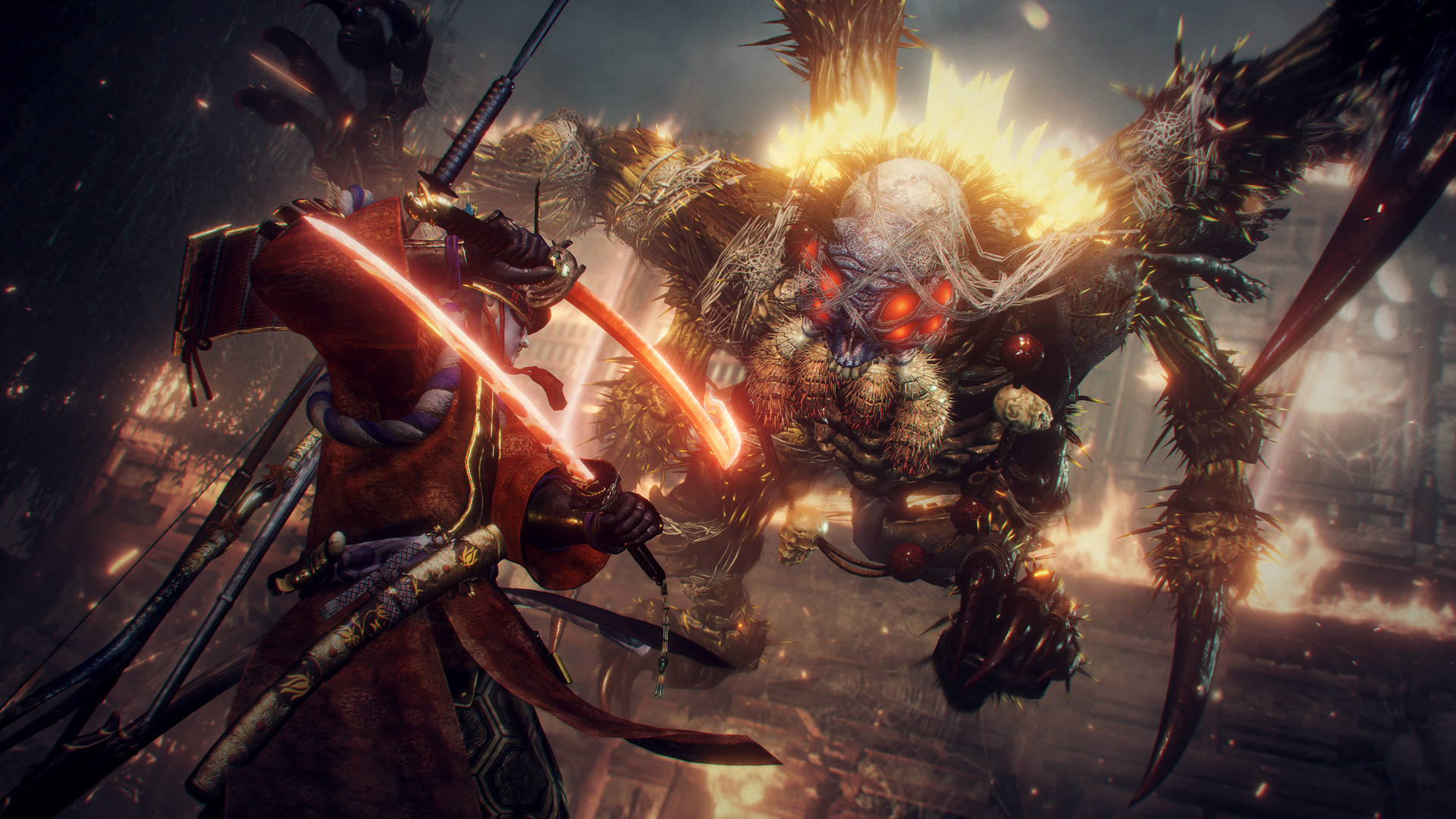
Final thought before you go: This game is going to beat you up. It's going to make you angry. You're going to look up the same boss on YouTube 12 times and still die to their second phase. That's normal. Every single veteran player has a "first wall"—a boss that took them 50 tries. For me, it was Lady Osakabe (the spider lady). For my friend, it was the first DLC boss. You will get past it. And when you do, you'll feel like you've climbed a mountain with your bare hands.
Now go out there and Ki Pulse like your life depends on it. Because it does.
Sign in to post a comment.
Sign in with GitHub to join the discussion.
💬 Comments
What players are saying:
This guide saved me from ragequitting at Enenra. The tip about using the Feral Burst Counter fixed my timing completely. Also, the inventory management advice is actual gold—I had no idea you could filter by set bonuses. One thing I'd add: don't sleep on the "Soul Purge" gesture, it's hilarious against human bosses. Thanks for writing this.
Hard disagree on the Switchglaive recommendation. I found it clunky and the stance switching is confusing. I used the Odachi my whole first run and it carried me. But the Heart stat advice is solid—I had 99 Heart before I touched anything else and lategame bosses were way easier. Also, the "Living Water" skill tip is dead-on. I'd have quit without it.
400 hours in and I never knew the Dojo unlocks hidden movesets. I've been playing the Dual Swords without their best combo this whole time. This guide made me re-install the game. The Burst Counter timing trick is also dead wrong if you're using Brute—press it on impact, not on glow. But for Feral it works. Good guide for noobs with some veteran-level secrets.