
Skip to a section:
Honest First Impressions
I’ll be straight with you: I bought Terra Invicta because I wanted to play a grand strategy game where I could punch aliens in the face. After about 100 hours, I’ve punched aliens in the face maybe three times. The rest of my time? I’ve been staring at a map of Earth, trying to figure out why my economy is collapsing while a hydra is apparently running a McDonald’s franchise in Argentina. This game is brutal. It doesn’t care about your feelings. It will let you make a mistake in 2033 that you don’t pay for until 2045, and then it will laugh at you.
But that’s also why I love it. There’s no other game that makes you feel like you’re actually *fighting* a real, thinking enemy that plays by the same rules you do. The aliens aren’t scripted. They adapt. They get smarter. You have to get smarter first. I’ve run six campaigns to completion, lost maybe ten more in the first two years, and I’m still finding new ways to screw up. This guide exists because I took those screws to the face so you don’t have to.
Let’s get something out of the way: you’re going to lose your first few games. Maybe not immediately, but definitely before you get to Mars. That’s normal. The game’s tutorial is basically a fancy loading screen. The real learning curve is a brick wall covered in oil. If you’re coming from Crusader Kings 3 or Stellaris, forget everything you know. Those games let you snowball. This game lets you trip and fall into a woodchipper. For a deeper breakdown on how not to trip, check out our Stellaris guide—it’s more forgiving, but it’ll get you in the right mindset about expansion timings.
So, deep breath. You’re going to fail. The goal isn’t to avoid failure—it’s to fail *forward*. Learn one thing. Then learn another. In about 20 hours, you’ll start to see the game’s shape. Stick with it.
Why This Game Makes You Want to Punch Your Monitor
Let’s talk about the actual pain points. Not the vague “it’s hard” stuff. The specific moments where I almost uninstalled.
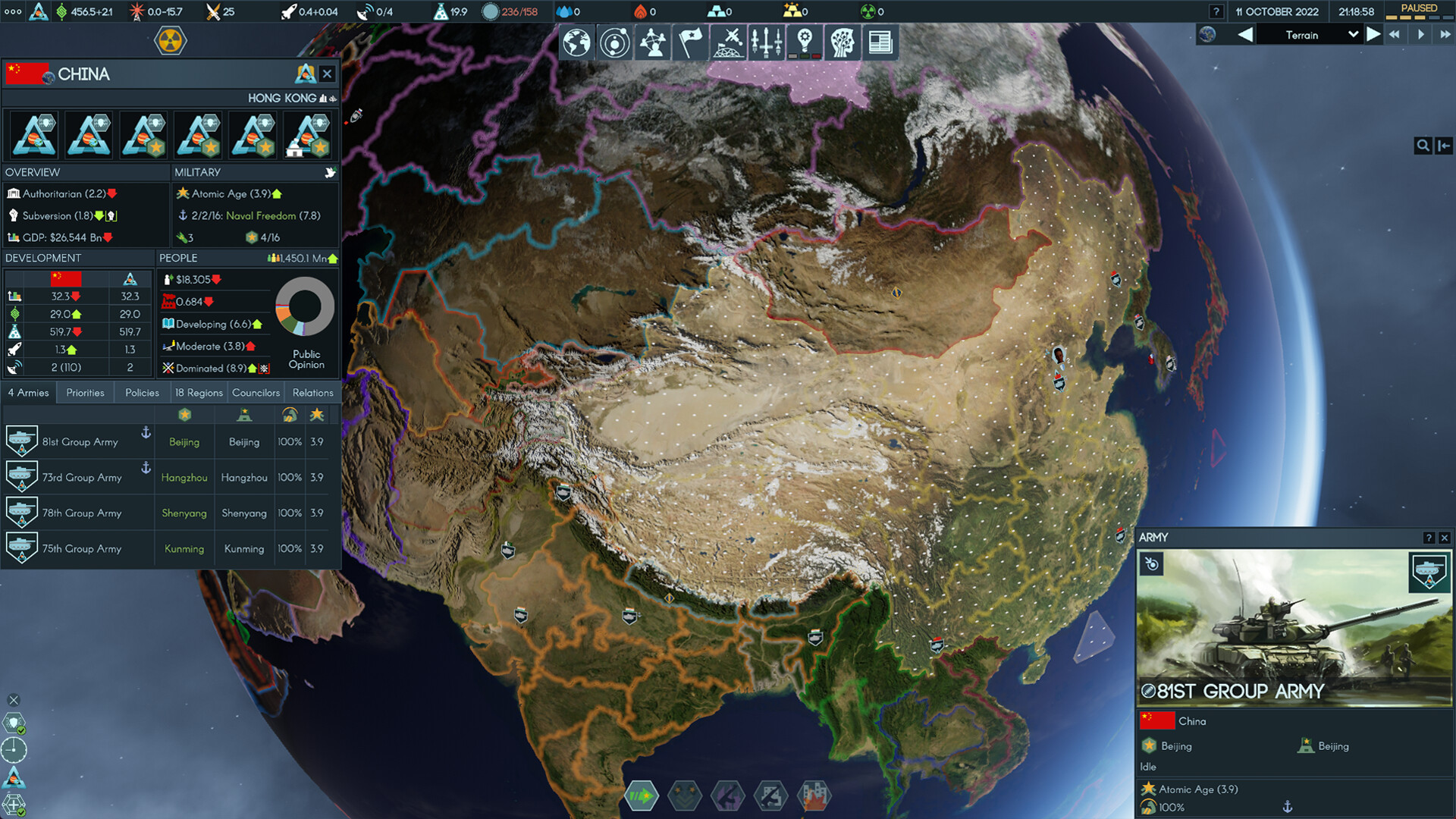
Public Opinion. You will spend your first 30 minutes feeling like a genius. You’ll set up your first few councilors, start a couple of missions, and think you’ve got this. Then you’ll try to control public opinion. You’ll realize that the Servants control 45% of the United States and you’re stuck at 12%. You can’t just “win” in a debate. It’s a grind. There’s a mission called “Set Public Policy” that takes months and barely moves the needle. I spent my third game constantly spamming “Control Public Opinion” only to realize that the AI was doing the same thing in the background, and we were just canceling each other out for three years. That’s three real-world hours of watching a percentage bar not move.
Tech research speed. It’s a trick. The game gives you a bunch of shiny technologies, and you research them. But if you don’t have the right global research output or you’re not prioritizing mission control and boost techs, you’ll fall behind. I once spent 18 months researching “Advanced Fusion Theory” and then realized I couldn’t build a fusion reactor because I had zero materials and no way to get them. The tech tree is a web of prerequisites that the game doesn’t warn you about. You will waste years of research if you don’t plan ahead.
The habit system. The aliens have a thing called alien hate. If you do too much too fast, the aliens decide you’re a threat and start sending fleets to blow up your stations. The hate system is opaque. Sometimes you can nuke a hydra station and nothing happens. Other times you sneeze near a councilor and the entire alien fleet pops into orbit. I’ve had campaigns end because I built one too many mines on Mars and the aliens came down like a hammer. The game doesn’t tell you the threshold. It just punishes you for being successful.
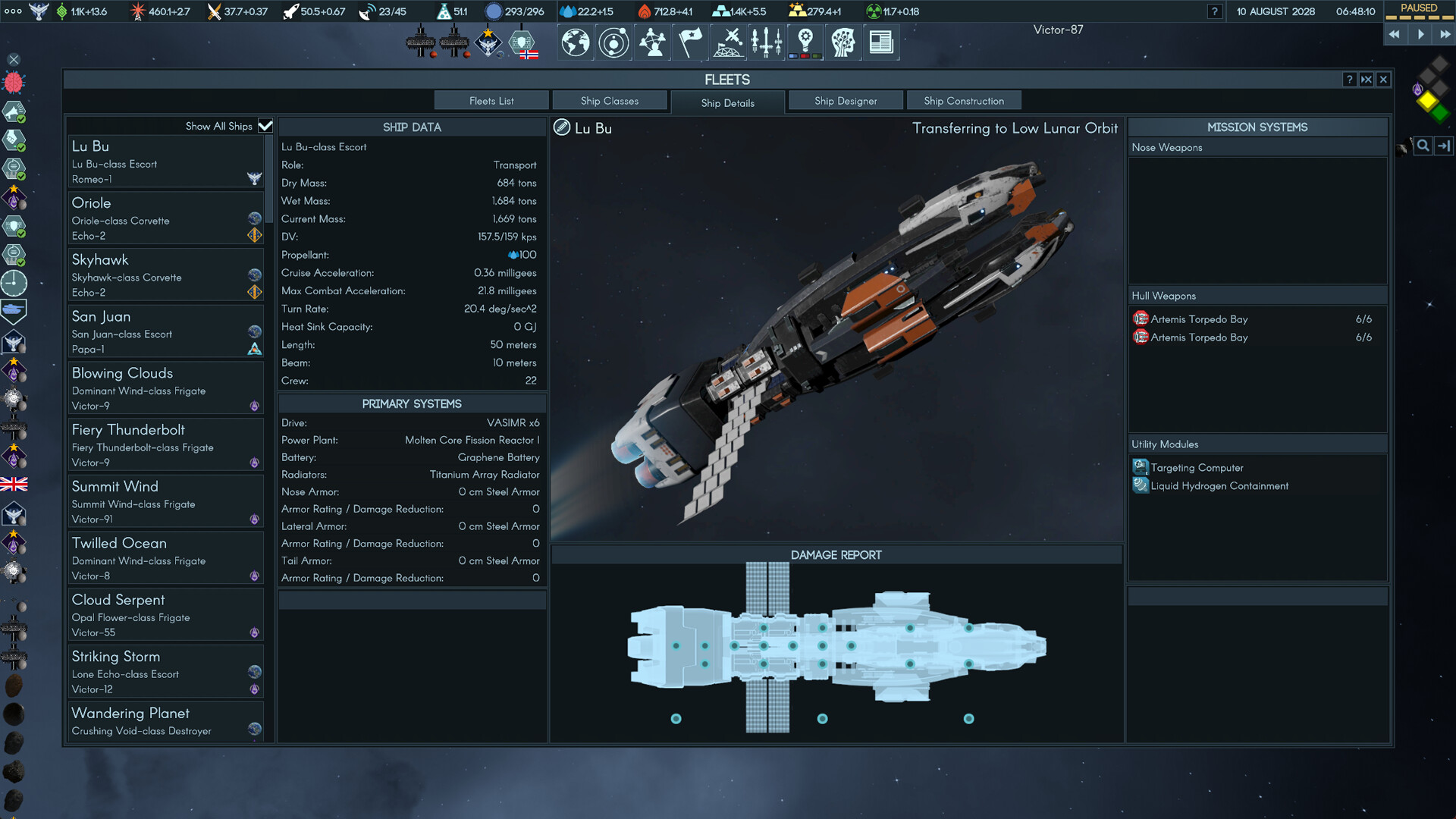
Micro in space combat. This is a semi-realistic space combat sim running inside a spreadsheet. You can set up custom ship designs. You can manually control every ship in combat. But if you don’t know how to build a missile boat or a laser blob ship, your fleet will get vaporized by a single alien destroyer. I lost a fleet of 12 ships to one alien destroyer because I thought “higher armor value” was a good stat. It’s not. Armor without PD (point defense) is like bringing a shield to a gunfight when the enemy has artillery.
These aren’t bugs—they’re features. The game is *about* managing these frustrations. Once you understand that, you stop hitting the wall.
What You Actually Need to Do on Day One
Forget the long-term plan. Forget “Seven Nation Army” or whatever fantasy you have about liberating the solar system. Here’s what you do in the first 30 minutes.
Step 1: Pick the Resistance. I don’t care if you like the aesthetics of the Initiative or the Academy. Pick the Resistance. They have the most balanced stat spread, they get decent bonuses to public opinion missions, and they don’t start with crippling penalties. The Servants are for masochists. The Protectorate is for people who want to surrender. You are not surrendering. You are fighting.
Step 2: Grab the good countries immediately. On turn one, use your first councilor’s Control Nation mission to take over the United States if possible. If not, go for China or Germany. These are your industrial bases. The US is the best because it has high GDP and a strong military that you can use to punish other factions. I usually start by taking one of these three, then immediately use a second councilor to start Defend Interests in that nation. The AI will throw missions at you to steal it back. You have to hold it.
Step 3: Prioritize “Boost” production. Boost is the resource that lets you launch things into orbit. You need it. Without it, you can’t build stations, can’t send ships, can’t do anything beyond Earth. In your first year, your entire economy should be focused on one thing: getting your monthly boost to at least 5. You get this from building Space Centers in advanced nations. I usually put my first one in the US or the EU. This sounds boring. It’s not. This is the single most important thing you will do for the first 24 hours of the game.
Step 4: Research “Mission Control” first. Ignore the shiny combat techs. Ignore colonization. Go straight for Mission Control in the Engineering tree. Every station you build, every ship you build, takes up mission control slots. If you run out of slots (usually you will), your research sinks, your production falls apart, and you can’t put your ships in the queue. The cap is your lifeline. Get it to 15 as fast as possible.
Step 5: Don’t fight the aliens on Earth yet. You will be tempted to assassinate alien councilors. Don’t. In the first year, you have no tech, no gear, and your councilors are weak. Attacking an alien triggers a retaliation cycle that you cannot win. I spent my first run trying to “take back Earth” and lost every single councilor to an alien hit squad by month 12. Instead, focus on crackdowns against the Servants. They’re the ones spreading public support for the aliens. Keep them in check. The aliens will notice you less if you’re not directly hitting their people.
Step 6: The Moon can wait. A lot of guides tell you to rush the Moon. I say: no. The Moon is a trap. Its resources are low, and it takes a ton of boost to set up. You’re better off saving that boost for a direct rush to Mars. The Moon is only worth it if you need a refueling stop for later in the game. First game? Ignore it. Go straight for Mars around year 2. Mars has fissile materials and volatiles, which you need for literally everything.
Wish I knew this earlier: When you first land on Mars, ignore everything except fissiles. I spent my first Martiam effort building base life support and a couple of research labs. Then I realized I had no resources to build ships. On my next run, I built a single fissile mine on Mars, waited till it produced enough to build a second, and then expanded. You can’t build ships without fissiles. You can’t win without ships. Fissiles are your fuel. Hoard them.
Advanced Tricks That Turn You Into a Threat
Alright, you survived the first two years. You have a couple of stations. You have a small fleet of horrible ships that are basically metal boxes with guns taped on. Now you need to win. Here’s how you stop being prey and start being the predator.
1. Ship design is not optional—it’s half the game. The default ship designs are garbage. They’re built for a hypothetical “balanced” engagement that doesn’t exist. You need specialized ships. I run two main designs: a missile escort and a laser monitor. The missile escort has four torpedo tubes and nothing else. It fires its whole load in ten seconds and then runs away. The laser monitor is a big armored brick with two huge lasers and a wall of point defense. The missiles punch through armor, the lasers sweep up the survivors. This combo can kill an alien destroyer that’s twice its tech level. Don’t ignore PD modules. They cost weight, but losing a ship to a single alien missile is humiliating.
2. Abuse the councilor mission priority list. Each councilor can do one mission per turn. If you assign a mission and it fails, you lose the entire turn. The game *says* success is random, but it’s not. It’s based on skill levels, traits, and gear. If your councilor has Espionage 8 and you’re trying to assassinate a Servant leader with Espionage 15, you’re going to fail 90% of the time. Before you assign any mission, check the target’s stats. Right-click on the target portrait. If their relevant stat is more than 5 points higher than your councilor’s, don’t bother. Find another mission. This sounds simple, but I wasted dozens of turns trying to “brute force” high-value missions. The game punishes you for being arrogant.
3. Use the global research priority system correctly. You know how there are global research projects like “Global Fusion Research” that anyone can contribute to? If you put points into them, and another faction also puts points in, you both get the benefit—but they also get the tech. I spent two games feeding into these projects, thinking I was being friendly. I wasn’t. The Servants were benefiting from my work. Now I only invest in global projects if I control the majority of the contributing nations, or if I’m the only one contributing. Otherwise, I research my own techs in parallel. You are not a charity. Donate to yourself.
4. Manage alien hate like a credit score. You need to keep it low but not zero. Zero alien hate means you’re doing nothing. The aliens ignore you. Then you become irrelevant. High alien hate means you get attacked. I aim for hate level 2–3 on the unofficial scale (the game has no mechanic for this, but you can feel it). How? Don’t blow up alien stations. Don’t attack alien armies on the ground. Instead, let the Servants be the public face of the war. Keep your operations in the shadows. When you do attack, do it suddenly and with overwhelming force. I once spent three years building a fleet in secret, then dropped it on the alien’s main Mars base in two turns. They didn’t have time to react. The hate spike was violent, but by the time they retaliated, I had already built a second fleet.
5. The “liberate and abandon” strategy for Earth. You can’t hold every country. The map is too big. Instead, pick four to six key countries (US, EU, India, Brazil, maybe Japan) and hold them. Don’t bother with control in Africa or most of Asia unless you want to be a punching bag. The AI will waste turns trying to steal those countries from you. Let them. It costs them turns they could be using to actually win. You keep your core nations, you build your economy, and you ignore the rest. This is not a map-painting game. This is a knife fight. Keep your knives sharp.
6. Late game: go for a “surrender” win condition early. There are multiple victory conditions. Some involve conquering the entire solar system. That takes forever. Instead, aim for the “Surrender” condition—forcing the aliens to retreat back to their home system. To do this, you need a fleet large enough to threaten their main base at Ceres or the Asteroid Belt. I call this “winning by scaring them.” It’s faster than total conquest, and it keeps the hate level from going totally nuclear. I’ve won two campaigns this way. It feels cheap, but it’s not—it requires serious economic and military planning.
For a deeper look at military planning, specifically for space combat, check out our BattleTech guide. The mechanics are different (no turn-based combat here), but the philosophy of designing a fleet around a single role is identical.
Dumb Mistakes That Got Me Killed (Don't Repeat Them)
I’ve made every mistake in this game. I’ve cried over a spreadsheet. I’ve screamed at a space station. Here’s what you need to avoid.
1. Over-building stations too early. My second run ended because I built four stations around Earth, thinking I was clever. Then I couldn’t afford to maintain them. The monthly maintenance cost of a station is 5 mission control points, 3 volatiles, and 2 metals per module. I had twelve modules. That’s 60 mission control points. My cap was 30. The game didn’t warn me—it just started disassembling my modules one by one until I had nothing. Build only what you can support. A single well-equipped station is better than three empty ones.
2. Ignoring the “Turn off Funding” button. Some nations give you a monthly funding bonus. Some don’t. If a nation has negative funding (it costs you more than it gives), turn off the funding slider in the nation management screen. The game doesn’t tell you that a nation’s economic output is tied to its GDP per capita and inequality. If a country is poor and corrupt, pouring money into it is like pouring water into a bucket with a hole. I spent five years funding Bangladesh because I thought I was being generous. I wasn’t. I was bankrupting myself.
3. Trying to fight the alien army on the ground. Alien ground armies are terrifying. They have high morale, high tech, and most importantly, they don’t need logistics. Your armies need mission control support and supply lines. The alien armies can teleport across the planet. I lost a whole marine corps in France because an alien army showed up behind me. The answer? Don’t engage on the ground. Use nuclear strikes. It costs public opinion, but it kills the army. The game punishes you for playing fair. Play dirty.
4. Researching “Human Rights” techs thinking they help you win. They don’t. “Universal Suffrage” is a feel-good tech. It doesn’t give you a military advantage. Focus on Materials Science, Propulsion, and Military Tech. The win condition is leaving Earth, not making Earth a better place. If you want to roleplay as a saint, do it while you’re winning. I delayed my victory by a decade because I wanted to “fix” the world first. The world doesn’t get fixed. It gets saved or it gets lost. Save it.
5. Not saving early and often. This is not a game that respects your time. A single bad RNG roll on a councilor mission can lose you a nation you’ve spent six hours building. I lost control of the United States to a Servant coup in 2035 because I got three consecutive failures on Defend Interests missions. I had no backup plan. Save every year. Save before any high-stakes mission. Save before you attack a station. The game has no autosave feature that helps you. It expects you to fuck up and reload. Use that feature. It’s not cheating; it’s learning.
Questions You're Too Embarrassed to Ask
Q: How long does a full campaign take?
A: A win condition run takes between 40 and 60 hours if you’re focused. My first win took 82 hours because I kept restarting. That’s normal.
Q: What do I do when the aliens send a fleet of ten destroyers to Earth in 2040?
A: You lose. That’s not a “skill issue”—that’s a “you didn’t build a fleet early enough” issue. By 2040, you need at least 15 ships with mid-tier lasers and point defense. If you don’t have that, that save is dead. Reload from 2035 and build more ships.
Q: Is there a way to increase the spawn rate of rare materials on the Moon?
A: No. The Moon’s resource generation is fixed. That’s why I told you to skip it. If you need rare materials, go to the Asteroid Belt. Mars is second best. The Moon is a consolation prize.
Q: The tutorial doesn’t explain councilor assassination correctly. How do I assassinate an alien?
A: You need a councilor with Espionage higher than the target’s Intrusion stat. You also need high Command to avoid retaliation. It’s a difficult mission. I don’t recommend it until you have Espionage 12+ on at least two councilors. If you fail, the alien will kill that councilor on the next turn. Be ready to lose them.
Q: Can I win without ever leaving Earth?
A: No. The game forces you into space. If you don’t colonize, the aliens get stronger and eventually out-tech you. You can’t hide on Earth. Trust me—I tried. I spent 20 years building up Earth’s armies, and then an alien fleet bombarded my capital and killed 40% of my population. You have to leave the nest.
Q: Why does my country keep being taken over by the Servants despite me spamming Defend Interests?
A: Because you’re fighting a losing battle. You can’t defend against every mission. Instead, focus on taking countries with strong government stability. The US has a stability of 9/10. Chad has a stability of 3/10. If you try to hold a weak country, the AI will steal it every time. Let the weak ones go. Focus on the strong ones.
Q: The game is really slow. How do I speed it up?
A: Space combat can be auto-resolved, but I don’t recommend it—the auto-resolve AI is dumb and will throw away your ships. Instead, play on 2x speed for most of the game, and only slow down when you’re making critical decisions. The early game is intentionally slow because you’re building the foundation. It picks up after Mars.
Q: Is there a way to disable alien hate?
A: In the game settings, there’s an option called “Alien Aggression” under Difficulty. You can set it to “Low.” This reduces but doesn’t eliminate the hate. That’s the closest thing to a “story mode.” I’ve used it. No shame. The game is hard enough.
If none of this makes sense yet, that’s fine. I’ve been there. The best advice I can give you is to play a full campaign to the bitter end—even if it’s a loss. Losing teaches you more than winning does. And when you finally get that pop-up that says you’ve defeated the alien menace, it will feel earned. It will feel real. That’s why we play this game.
Good luck. Build more fissile mines. Trust me.
Disclosure: This guide may contain affiliate links. If you purchase games or products through these links, we may earn a small commission at no extra cost to you. This helps support our work in creating free, high-quality guides. All opinions and recommendations are our own.
Sign in to post a comment.
Sign in with GitHub to join the discussion.
💬 Comments
What players are saying:
I spent my whole first campaign trying to hold Chad because I thought it was important. This guide is the first time anyone explained why I was losing that fight. The government stability tip is everything. Thanks for saving me another 20 hours.
I disagree about the Moon being a trap. If you rush a single base on the Moon for volatile extraction, it pays itself off in three years and helps with the early boost crunch. But the rest of the guide is solid. Especially the missle vs. laser ship advice. That combo saved my fleet from a destroyer deathstack.
Laughing so hard at the “assassinate the alien” story. I lost three councilors back-to-back trying to do that. Then I read this guide, checked the stats, and realized my best guy had Espionage 7 vs the alien’s 17. Felt like a complete idiot. Good write-up, man.