What's In Here
- Yeah, This Game Hates You (And That's Why It's Great)
- Why You're Probably Dying Like an Idiot (I Did Too)
- Stuff I Wish Someone Had Screamed At Me Before My First Run
- The Cold, Hard Truth: Tips You Only Learn After 200 Hours
- Dumb Crap That Got Me Killed (Don't Do This)
- FAQ: The Questions You're Too Embarrassed To Google
Yeah, This Game Hates You (And That's Why It's Great)
Look, I'm gonna be straight with you. The Long Dark is not your friendly neighborhood survival game. There's no quest marker telling you where to find a nice warm coat. No NPC holding your hand through a "tutorial" that actually teaches you anything useful. The game throws you into a frozen hellscape with a box of matches, some crackers, and a sincere suggestion that you die quickly so you can start over.
I bought this game thinking "oh, it's a pretty walking sim with wolves." I was wrong. I've got about 400 hours in now across three saves, and I still remember my first run on Mystery Lake. I spawned, saw a rabbit, thought "easy dinner," chased it for forty-five seconds, got lost, died of hypothermia at hour three. My second run? Fell off a waterfall because I was trying to find a shortcut. Third run? Attacked a bear with a hunting knife because I thought I was tough. I was not tough. The bear was very tough.
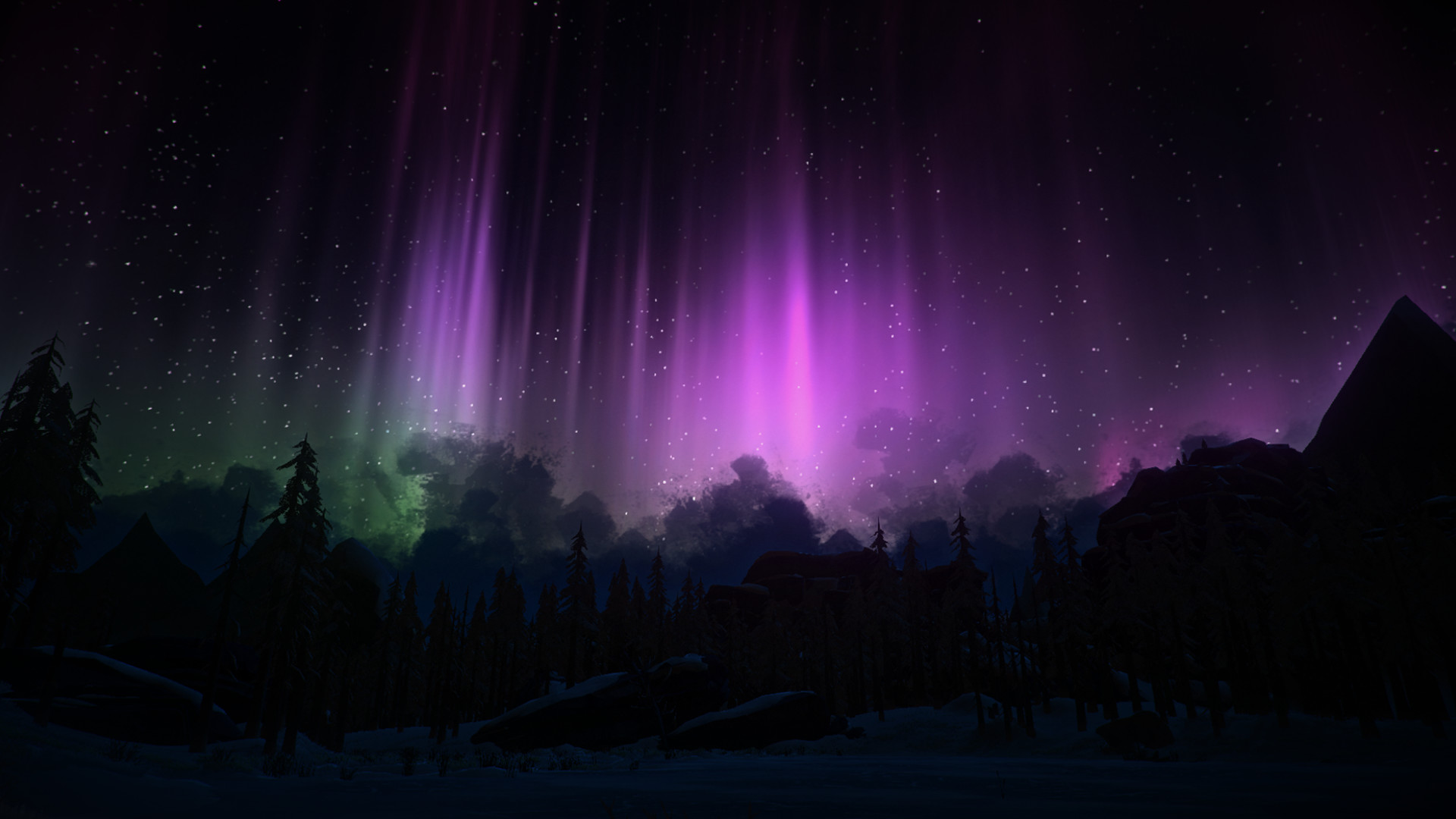
But here's the thing. Once you wrap your head around how this game actually works, it's one of the most rewarding experiences you'll have. The sound design alone is worth the price—the way the wind howls through the pine trees, the crunch of your boots on fresh snow, the absolute dead silence inside a cave when a blizzard is raging outside. It's gorgeous and terrifying in equal measure.
What's annoying? Plenty. The wildlife pathing can be janky. Wolves sometimes clip through rocks and scare the hell out of you. The lack of any real story direction in survival mode can leave you feeling aimless. And the cooking system? Don't get me started on the cooking system. You can spend an hour trying to get a fire going in a blizzard, only to realize you're out of water and your condition is dropping like a stone. This game will screw you sideways on a Tuesday afternoon for no reason at all.
But that's also what makes it special. Every victory feels earned. Every successful predator kill feels like a genuine accomplishment. And when you finally get a base set up with a working stove, a pile of water bottles, and enough canned food to last a week, you feel like a goddamn champion. So let's talk about how to get there without rage-quitting.
Why You're Probably Dying Like an Idiot (I Did Too)
Let's address the elephant in the freezer: this game is brutal to beginners not because it's "hard" in a conventional sense, but because it punishes things you don't even know are mistakes. Here are the three biggest reasons new players quit:
- You think you can fight everything. You can't. A wolf will absolutely wreck you in a straight fight. A bear will straight-up murder you in two hits. Moose? Don't even look at a moose wrong. The game is designed to make you avoid conflict, not seek it out. I spent my first three runs trying to "outplay" predators and got destroyed every time. The combat system in this game is clunky on purpose—you're not a space marine, you're a tired office worker in a parka.
- You're wasting resources on stuff that doesn't matter. Bandaging a sprained ankle with a clean bandage? Stop. Use old cloth. Eating all your food at once? Stop. You'll get food poisoning. Lighting a fire with your last match because you're cold but not that cold? For the love of God, stop. Resources in this game aren't plentiful—they're finite, and once they're gone, they're gone. Learn to prioritize.
- You have zero sense of direction. The maps are huge, interconnected, and deliberately confusing. No minimap. No waypoints. Just your own memory and the occasional signpost. I once spent two real-time hours walking in circles on Forlorn Muskeg because I refused to admit I was lost. I was very lost. A wolf found me. It did not go well.
The fix for all of this is simple: slow down. Stop treating this like a sprint. It's a marathon where the finish line is "survive as long as you can." Every decision matters. Every match you burn is a match you'll need later. Every bandage you waste is one you'll miss when a wolf tears open your leg. Think before you act, and treat every resource like it's the last one you'll ever have.
Stuff I Wish Someone Had Screamed At Me Before My First Run
Okay, so you've loaded up the game. You're in Mystery Lake (the easiest region for beginners, by the way—avoid Forlorn Muskeg like the plague). You have a coat, some matches, a can opener, and absolutely no idea what to do. Here's the playbook I wish someone had handed me:
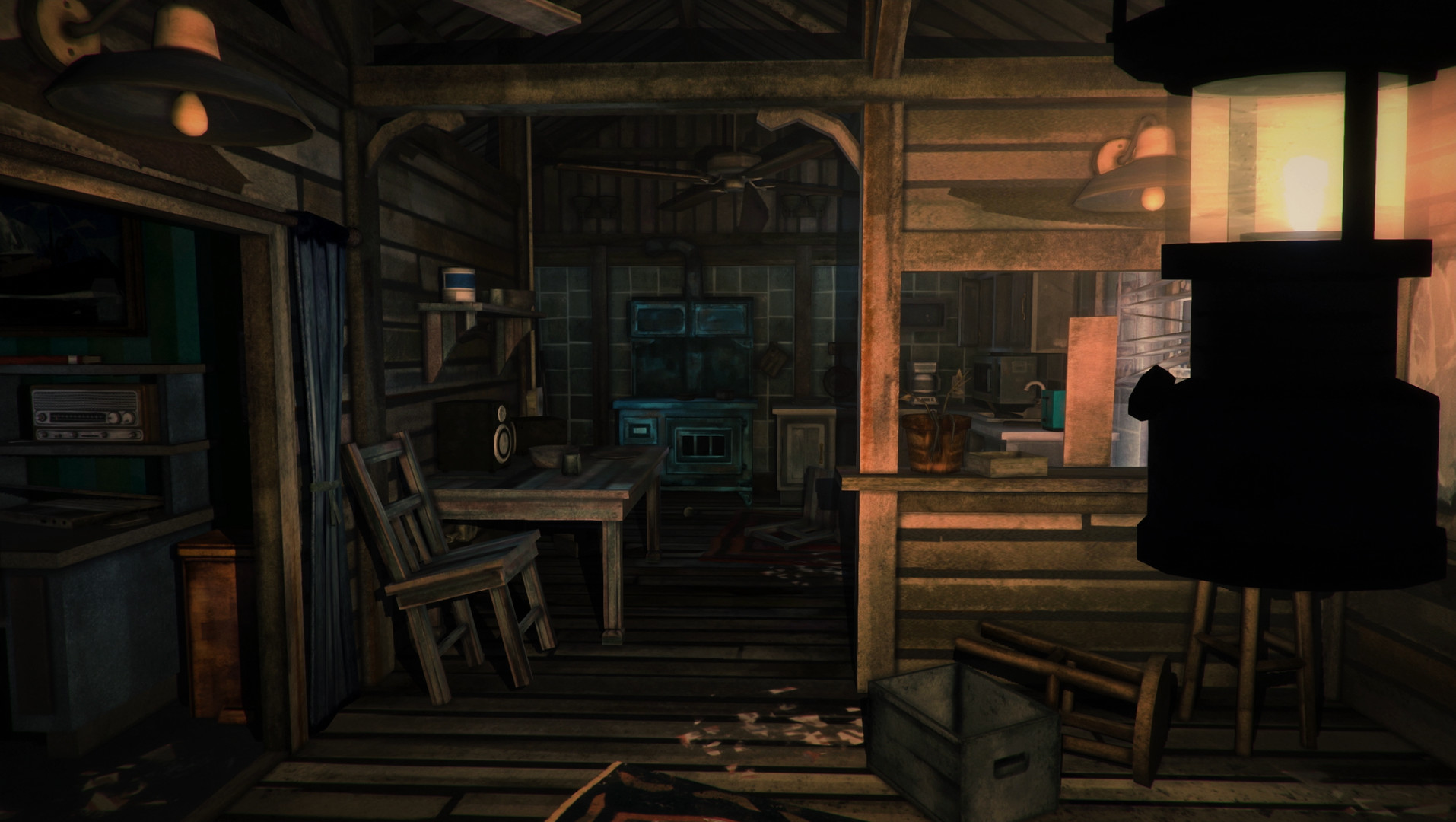
- Find shelter immediately. Your first hour is about finding a reliable place to stay. The Camp Office near the lake is the gold standard for a first base. It's central, has a bed, a workbench, and plenty of storage. If you can't find that, any fishing hut or cave will do in a pinch. But get indoors before nightfall. The temperature drop at night is no joke.
- Water is your actual priority. You can go days without food. You can't go 12 hours without water. Find a stove or a fire barrel, grab some snow, and start melting. You can boil about 2 liters of water per hour with a decent fire. Aim for at least 4 liters stored before you do anything else. I cannot stress this enough: thirst will kill you faster than hunger, cold, or wolves combined.
- Scavenge like your life depends on it, but be smart. Hit every house, cabin, car, and tool shed you can find. Prioritize: clothing (warmth is survival), tools (hatchet, knife, hacksaw), medical supplies (bandages, antiseptic, painkillers), then food. Don't carry everything you find—only what you need. Weight management is a skill you'll learn the hard way. I once tried to carry 15 cans of peaches back to base and got gassed after 200 meters because I was moving too slow.
- Learn to make fire without wasting matches. Your default fire-starting skill is garbage. Use a magnifying glass on sunny days (free fire). Use a firestriker when you can (renewable, just need to find sticks). Use matches only as a last resort. And always, ALWAYS check the wind before lighting. A sudden gust will snuff your fire and waste your kindling. Build your fire against a rock or inside a cave to block the wind.
- Wolves are predictable, not smart. A wolf will circle you slowly, then charge. When it charges, you have about 2 seconds to react. If you have a lit flare or torch, it will usually spook and run away. If you have a rock, throw it to distract it (aim for a bush, not the wolf). If you don't have either, you're going to have a bad time. Keep a flare hotkeyed at all times. Trust me.
Pro tip that would have saved me 50 hours of suffering: You can harvest cured rabbit pelts and deer hides to craft your own clothing. Most new players ignore the crafting system because it seems slow. But a rabbitskin hat and deerskin boots are significantly warmer than anything you'll find in the early game. Get a snare or two (requires gut and scrap metal), set them near rabbit spawns, and start curing your pelts on day 2. It takes 3-5 days to cure indoors, so start early. You'll thank me when you're wearing +4°C warmth bonus on day 10 while everyone else is freezing in a wool toque.
The Cold, Hard Truth: Tips You Only Learn After 200 Hours
Alright, you've got your first base. You're not dying every day. Now let's talk about the stuff that separates "surviving" from "actually knowing what you're doing." These are the things you only learn after you've died a hundred times and started paying attention to the details.
- Coastal Highway is the best region for long-term survival, but it's a trap for beginners. The fishing huts are amazing, but the wolves are aggressive and the bears patrol the shoreline like they own the place (they do). If you're going to settle here, build a base at the Quonset Garage. It's central, has a workbench, and you can fish within running distance. But stock up on bandages first. You'll need them.
- The "Condition" stat is misleading. Your character's condition is a combination of four things: health, warmth, fatigue, and thirst/hunger. If any of those hits zero, you start losing condition fast. But here's the thing: you can be at 5% condition from hypothermia and still survive if you warm up, eat, and rest. Don't panic if you see low numbers. Panic if you see "Hypothermia Risk" or "Infection Risk." Those are the real killers.
- Crouch to conserve calories. I'm not kidding. Walking upright burns energy faster. Crouch-walking is slower but saves you a ton of calories over time. I use this when I know I'm going to be traveling for a while and food is scarce. It's tedious, but it works.
- Bears are killable, but it's a process. A bear takes about 4-6 shots from a rifle to the head to bring down. Or one shot if you hit the soft spot in the skull (it's not explained well, but aim for the nose or eye). But even if you wound it, the bear will run. Follow the blood trail. The bear will eventually bleed out and collapse. I've tracked a bear for over an hour in-game before. Don't give up the chase—that's 15 kg of meat and a very valuable bear hide.
- The camera tool is useless for combat but great for scouting. You can zoom in with the camera to get a better view of distant terrain without alerting wildlife. I use it all the time to check if a river is frozen solid or thin ice. Saved my life more than once on Forlorn Muskeg.
- Fishing is the most reliable food source in the game, but it's boring. Seriously. Set up a fishing hut with a fire, some reclaimed wood, and a fishing tackle. You'll catch more fish than you can eat in a day. The fish are calorie-dense and give you lamp oil when you cook them. But you'll spend hours staring at a hole in the ice. I recommend podcasts or audiobooks.
Dumb Crap That Got Me Killed (Don't Do This)
I've made every single mistake in this game. Here are the ones that hurt the most, so you don't have to repeat them.
- Walking on thin ice. I know it sounds obvious, but I've done it three separate times. The ice in Forlorn Muskeg and some parts of Coastal Highway looks stable but isn't. You'll hear cracking, then you're in freezing water, and your condition drops like a rock. Always carry a light stick (they float) and a firestarter in your inventory when crossing ice. Fall through? Drop everything, get to shore, light a fire immediately, bandage the hypothermia risk, and change clothes. Do not wait.
- Carrying too much weight. I once hoarded about 45 kg of gear. I couldn't run. I got caught in a blizzard. I died because I literally couldn't move fast enough to reach shelter. The max carry weight is 30 kg base, plus 5 kg with the Moose-Hide Satchel. Stick to 25 kg or less when traveling. Leave the canned food at home. Take only what you need for that trip.
- Eating raw meat. I know, I know. But I was desperate, okay? I had no fire, I was starving, and I thought "how bad can it be?" Bad. Very bad. Intestinal parasites are a death sentence if you don't have antibiotics. You'll be dealing with constant condition drain for days. Cook your food. Always. No exceptions.
- Sleeping outdoors in a snow shelter without checking the weather. The snow shelter is a lifesaver in a blizzard, but if you build it in the wrong spot and a windstorm flips it, you're trapped. You'll suffocate in 30 seconds. Always build snow shelters against a rock face or inside a cave mouth. And never sleep longer than 2 hours at a time in a shelter unless you're sure the weather is stable.
- Assuming "Explorer" difficulty is easier. It's not. It's just less aggressive predators. But the cold, the resource scarcity, the starvation? All still present. I've had harder times on Explorer than on some Survival runs because I got careless. Treat every difficulty like it's out to kill you, because it is.
FAQ: The Questions You're Too Embarrassed To Google
Q: How do I stop dying to wolves?
A: Torch + torch + torch. Always have a lit torch or flare in your hand when you're walking through wolf territory. They will not attack you if you're holding fire. If they do charge, drop the torch on the ground and back away—they'll circle the fire and you can escape. Or, if you have a weapon, aim at them while backing up. They'll eventually break off if you maintain eye contact. But honestly, just avoid them. They're not worth the ammo.
Q: Which region should I start on?
A: Mystery Lake. It's the most straightforward, has decent loot, and the weather is relatively forgiving. Avoid Forlorn Muskeg until you've got at least 50 hours of experience. Pleasant Valley is okay but has brutal wind and bears everywhere. Desolation Point is small and easy to learn, but resource-poor for long-term survival. Mystery Lake is your friend.
Q: How do I cure animal hides?
A: You need a curing process. Harvest the hide from the animal, then leave it inside a building (not outdoors). It takes about 3-5 days depending on the hide type. Rabbit pelts cure faster, bear hides take the longest. Once it's cured, you can use it at a workbench to craft clothing. Same goes for gut—harvest from animals, cure indoors, use for snares and clothing.
Q: Is there any way to fast travel?
A: No. And thank God for that. The walking is the whole point. If you want fast travel, play something else. But you can speed up by drafting down hills with your character—hold the crouch button while sprinting downhill to slide. It saves a little time and looks cool.
Q: Why do I keep getting food poisoning even from cooked food?
A: If the food was already at 80% condition or lower before you cooked it, there's a chance you'll get food poisoning. Also, burnt food has a higher poisoning chance. Cook at level 1 or higher to reduce risk, but honestly, just eat the low-condition food anyway if you're desperate—food poisoning is annoying but treatable with antibiotics or 10 hours of sleep. Usually better than starving.
Q: What's the best weapon in the game?
A: The hunting rifle is the most versatile, but ammo is rare. The bow and arrow is renewable (make arrowheads from scrap metal and shafts from saplings) but requires level 3 archery to be reliable. The flare gun is fantastic for scaring off bears and wolves but only has 1-2 shots in a region. Honestly, your best weapon is a lit torch. It's free, it's renewable, and it keeps predators at bay. Prioritize that over everything else.
Sign in to post a comment.
Sign in with GitHub to join the discussion.
💬 Comments
What players are saying:
Finally someone who admits the bear tracking takes forever. I literally spent 2 hours chasing one across Pleasant Valley and almost died of hypothermia. The tip about aiming for the nose is gold—I tried it and got a one-shot kill on my next bear. My aim is still garbage, but now I feel less like a failure.
I disagree about the cooking system being garbage. It's actually pretty realistic—you can't cook raw meat safely without a proper fire time, and the parasite mechanic makes you think about long-term food storage. But I appreciate the honesty about fishing being boring. I've listened to three full audiobooks while fishing on Coastal Highway. So yeah, accurate.
The part about carrying too much weight hit home. I had 37kg on me and tried to outrun a blizzard on Forlorn Muskeg. Spoiler: I didn't. I fell through ice and died. Your guide should be the official tutorial for this game. The corporate crap they call "tips" in the menu is useless compared to "carry a torch, make rabbit hats, and don't eat raw meat." Thanks for this.