
Skip the bullshit, here's what's in this guide:
- Honest Take: This Game Will Break You (In a Good Way)
- Why Players Struggle — The Real Frustrations
- Getting Started / First Steps — What I Wish I Knew Day One
- Expert Tips & Tricks — Learn From My 80 Hours of Failure
- Common Mistakes to Avoid — What Got Me Killed 200 Times
- FAQ — Answers to Stuff You're Probably Googling Right Now
Honest Take: This Game Will Break You (In a Good Way)
I've been playing games since I was six years old. I've beaten every Souls game, every Zelda, every Metroid. I thought I was ready for Tunic. I was wrong. The first time I stumbled out of that opening area and saw the world open up, I thought "okay, I got this." Then I spent the next four hours dying to the same three frog soldiers because I didn't understand how the shield worked. This isn't a game that holds your hand. It hides the manual from you, makes you find the pages, and then some of those pages are written in a language you can't read. And somehow, it's one of the best gaming experiences I've had in the last decade.
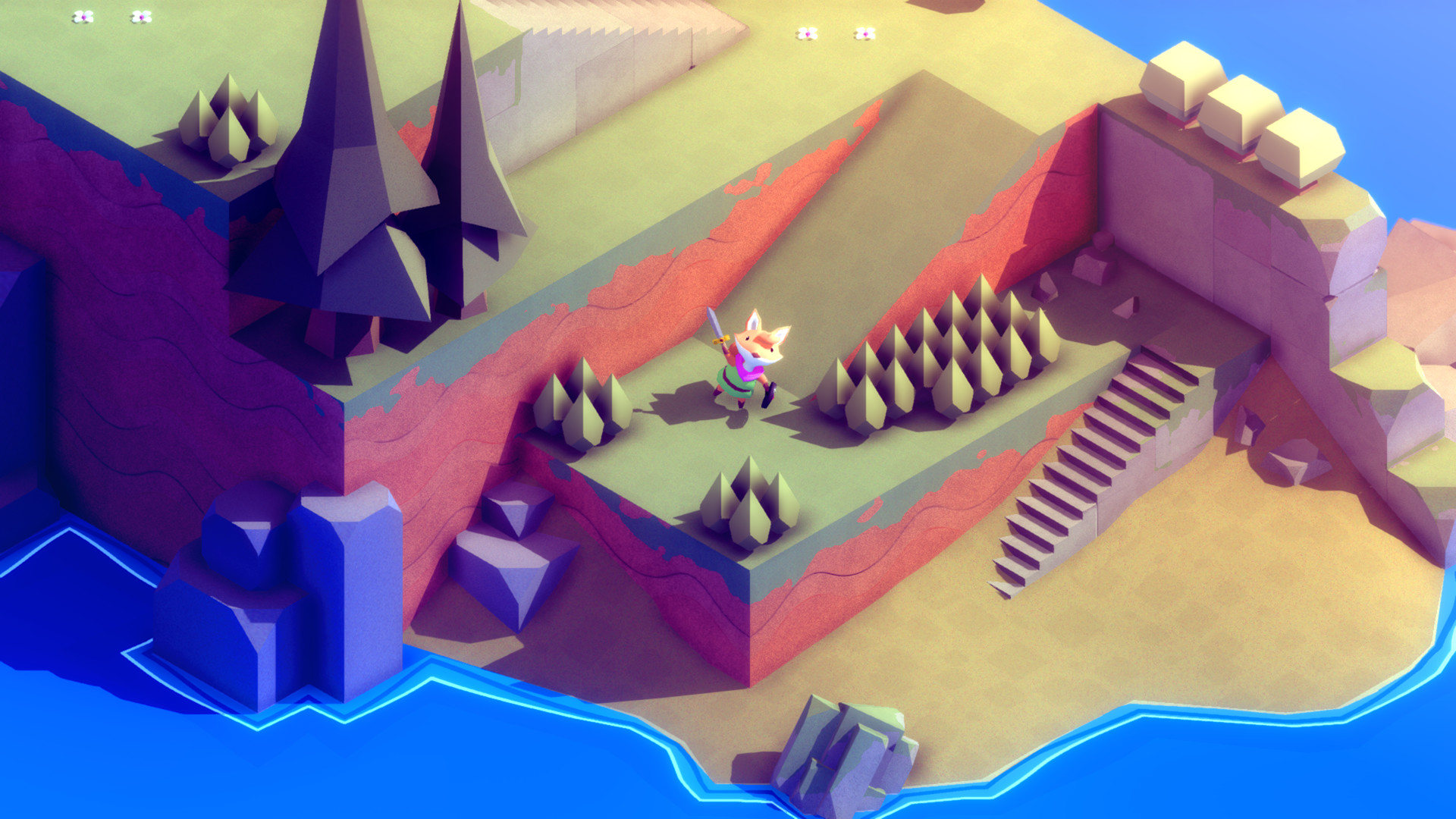
Tunic is a deceptive little fox adventure that looks like a cute Zelda clone from the NES era. It plays like one too — at first. Then you realize the combat has stamina management, the world has secrets stacked on top of secrets, and the "manual" system is the core mechanic you absolutely cannot ignore. I'm writing this because I've seen too many friends refund this game in frustration. They get wrecked by the first real boss, or they spend hours wandering aimlessly because they didn't know about a basic mechanic the game never explains.
This guide is for you if you're currently stuck, frustrated, or wondering if you're just bad at games. You're not. The game is just weird about teaching you stuff. Let me fix that.
Why Players Struggle — The Real Frustrations
Let's be real. The biggest pain point is the manual. You find pages of this in-game instruction booklet scattered across the world, and they're written in a fictional language. Some pages explain mechanics, others show you maps, and a few contain cryptic hints for puzzles you won't solve until hour 20. But here's the problem: the game doesn't tell you which pages are important right now. I spent my first three runs trying to stack poison damage because I found an early manual page about "alchemy" and assumed it was a combat buff. It's not. It's for a specific puzzle in the late game. I wasted six hours.
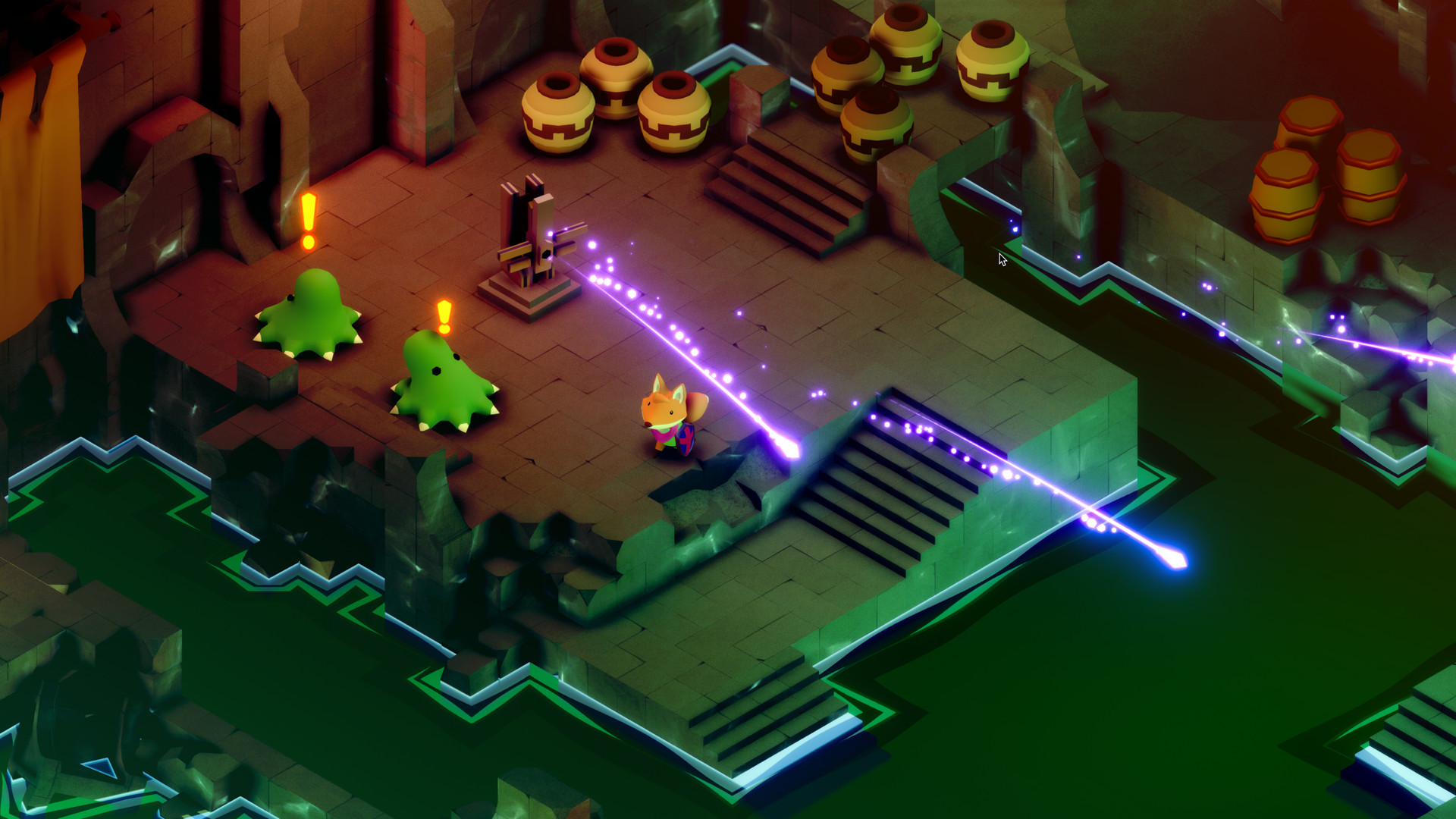
The second big frustration is the combat. Tunic's combat feels floaty compared to something like Dark Souls. You lock on, you dodge roll, you swing your sword — but the hitboxes are weirdly generous for enemies and punishingly tight for you. The first time I fought the Siege Engine (the big mechanical boss in the cathedral area), I died seventeen times because I couldn't figure out the roll timing. Turns out you can just block most of its attacks with the shield. The game shows you the shield in the first ten minutes, but because it's a tiny fox holding a shield, I assumed it was cosmetic. It's not. It's your best friend.
And let's talk about the map. The map is intentionally incomplete until you find the manual pages that fill it in. So you're wandering through these beautiful, terrifying areas with no idea where you're going. I spent three hours in the Overworld Ruins going in circles because I missed a single ladder hidden behind a bush. The game wants you to feel lost. That's the point. But it's also a massive pain in the ass if you're used to games that respect your time.
Another common struggle: the stamina system. You have a green bar that drains when you attack, dodge, or sprint. If it runs out, you stand still like an idiot for two seconds while enemies pummel you. I can't tell you how many times I panic-spammed dodge rolls, ran out of stamina, and watched my little fox get combo'd to death. This game punishes panic harder than any Souls game I've played.
Getting Started / First Steps — What I ACTUALLY Need to Know Day One
Alright, boot up the game. You're a fox. You wash up on a beach. You pick up a stick and a manual page. Here's what nobody tells you:
- Pick up every single manual page you find. They're not just lore. Some pages unlock abilities, reveal shortcuts, or give you codes you'll need later. The very first page you find after the beach teaches you how to use items. Read it. Actually read it — even if you can't read the language, the pictures and diagrams tell you everything.
- The sword is a lie. The sword you get early is weak. Like, embarrassingly weak. Your first priority should be finding the magic orb in the Eastern Forest. It lets you shoot projectiles. You can cheese so many early encounters by kiting enemies with magic. I didn't find this until hour seven. Don't be me.
- The shield is your second weapon. Hold it up. Walk into enemies. Block attacks. Then counterattack while they stagger. This is the core combat loop for 80% of the game. If you're not using your shield, you're making the game twice as hard.
- Stamina management is everything. Watch your green bar. Never let it hit zero in combat. Attack twice, then dodge once. Or block once, then attack. Get into that rhythm early. The game's combat is actually a turn-based puzzle disguised as an action game — you trade blows, and the stamina bar is your turn timer.
- The belltower shortcut is your best friend. Early on, you'll reach a massive overworld with a belltower in the center. Climb it. At the top, there's a wind chime and a ladder that drops you down to a hidden area with a health upgrade. This is accessible within the first 30 minutes if you know where to go. I missed it for ten hours.
- Golden cubes are teleporters. You'll find these glowing cubes in the world. Interact with them to set a teleport point. You can only have one active at a time, and you warp to it from the main menu. Use this to mark difficult boss encounters or treasure rooms you want to come back to later.
Your day-one goal is simple: find the Eastern Forest, grab the magic orb, clear the Cathedral (first real dungeon), and unlock the fast travel system. If you do that in your first five hours, you're ahead of where I was.
PRO TIP — The one thing I wish I knew: The holy cross is not a weapon. It's a puzzle input system. When you find manual pages with weird symbols arranged in a cross pattern, that's a directional input code. You press those directions while standing in specific locations to reveal secret paths, treasure, and shortcuts. I ignored these pages for 20 hours thinking they were lore. They're literally the game's version of cheat codes. Start using them immediately.
Expert Tips & Tricks — Advanced Techniques
Once you've got the basics down, you need to start thinking like a fox. Here's the stuff that took me multiple playthroughs to figure out.
- The dagger is not for combat. You get a dagger in the Western Garden area. It does terrible damage. But if you use it on enemies from behind, it does 3x damage. More importantly, you can use it to cut grass patches that hide secret paths. Yes, the grass. Specifically the tall yellow grass that looks like wheat. Cut all of it. I found three secret rooms this way.
- Parry timing is specific but powerful. The parry (holding shield + pressing attack) has a tight window — about 0.3 seconds from when the enemy's attack connects. A successful parry stuns any non-boss enemy for four seconds. You can parry boss attacks too, but it's harder. The telegraph is the enemy's weapon glowing right before they swing. Practice on the frog soldiers near the beach. Once you get it, you can trivialize the Cathedral Boss.
- The ice wand is the best item in the game. Found in a secret room under the Overworld Ruins (the one with the three pillars and a riddle). The ice wand freezes standard enemies solid for five seconds. It does no damage, but you can freeze a group, walk around them, and backstab them all with the dagger. This combo kills most elite enemies in two loops. I used this to clear the Quarry area without taking a single hit.
- Attacking while sprinting does extra damage. If you sprint at an enemy and press attack during the sprint animation, you do a lunging strike that deals 1.5x damage. You can chain this into a full combo: sprint attack, then two normal swings, then dodge roll out. This is the basic "in and out" combo for boss fights.
- Manual page 25 is the secret to infinite stamina. Well, almost. Page 25 (found in the Hidden Courtyard) shows a diagram where the fox drinks a blue potion while running. If you time a stamina potion consumption while sprinting, the potion effect lasts 50% longer. And if you chain two potions back-to-back, you can sprint across the entire map without stopping. This is how speedrunners move around.
- The music box is not a weapon. I spent an hour trying to figure out how to use it offensively. It's for a puzzle in the Quarry where you need to distract a specific enemy type that can't be harmed otherwise. You play the music box near the ghost priests and they stop attacking.
One more thing: the golden path. There's a hidden mechanic where if you complete a boss fight without taking damage, you get a golden chest with a unique upgrade. This is not documented anywhere. I accidentally did this on my third playthrough against the Siege Engine and got a ring that halves all combat stamina costs. It's arguably the best item in the game. Worth resetting a boss fight for if you're good enough.
Common Mistakes to Avoid — What Got Me Killed
I died over 400 times on my first run. Not because I'm bad (okay, maybe a little), but because the game does not tell you what not to do. Let me save you some deaths.
- Don't ignore the manual. This is the number one mistake. You find a page, you read it once, you move on. But the manual has clues for puzzles you won't encounter until hours later. When you hit a puzzle that makes no sense, open your manual collection and read every page again. The answer is almost always there, just in a context you didn't understand at the time.
- Don't use your consumables too early. In the first two hours, you'll find health potions, bombs, and magic scrolls. You'll be tempted to use them on trash mobs. Don't. The early game areas are designed to be cleared with your base kit. Save items for boss fights and the Quarry area specifically. The Quarry has these enemies that drain your max HP with every hit, and you'll need every heal you've got.
- Don't upgrade your sword past +2. I know this sounds insane. But the Titan Sword (the endgame weapon) scales poorly with upgrades. Going from +2 to +3 costs a rare material that's better used on armor. I grinded for hours to get my Titan Sword to +5, and the damage increase was barely noticeable. The Fire Wand and Ice Wand are much better upgrade investments.
- Don't fight the Quarry boss without the fire resistance potion. There's a boss in the Quarry that sets the floor on fire. You can't avoid it. Without the fire resistance potion (found in a chest behind a hidden wall near the Quarry entrance), you'll lose 75% of your HP before the fight even starts. I died twelve times before I realized this.
- Don't explore underwater areas without the breathing apparatus. The game lets you swim in shallow water, but deeper pools will drain your HP. There's an item called the Fox's Breath in the Sunken Temple that lets you breathe underwater. I drowned three times trying to reach a treasure chest visible through a pool before I found this item.
- Don't skip the side quests. I know, I know. You want to beat the main story. But the side quests give you manual pages that unlock crucial abilities. The old fox in the Eastern Forest gives you a quest that rewards the double jump ability. I finished the game without double jump. I watched a video afterward and realized I'd missed entire areas because I couldn't reach high ledges. Don't be me.
FAQ — Answers to Stuff You're Probably Googling Right Now
Q: I'm stuck in the Cathedral. The doors won't open. What do I do?
A: The Cathedral has three doors that each require a specific key item. One door opens with the blue key (found in the flooded basement), one with the red key (behind a destructible wall in the belltower), and one with the holy cross code (the answer is on manual page 12 — it's a sequence of up, right, down, left inputs). You can do them in any order.
Q: How do I beat the Siege Engine? This boss is bullshit.
A: It's not bullshit, but it's hard. The trick is to block, not dodge. The Siege Engine has three attacks: a slow overhead slam (block it), a spinning wheel charge (block it), and a shockwave (jump over it). When it stops attacking, it exposes a weak point on its back. Use the magic orb to hit it from range. Don't get close — the hitbox is massive. Bring at least 5 health potions and the stamina ring if you have it.
Q: I found a golden cube but I don't know how to teleport.
A: Interact with the cube to activate it. Then open your main menu (not the inventory, the actual pause menu). There's a button that says "Teleport to Beacon." That sends you back to the cube. You can only have one active at a time — activating a new cube deactivates the old one. Use this before boss fights so you can teleport back if you die.
Q: What's the point of the hidden language? Do I need to learn it?
A: You don't need to learn the language to beat the game. The manual pages use pictures, diagrams, and a few recurring symbols that become intuitive. But if you're a completionist like me, there's a fan translation online. I used it to understand the lore, and it adds a lot of depth. But mechanically, you don't need a single word of it.
Q: I'm stuck on the final boss. Any tips?
A: The final boss has two phases. Phase one is a standard sword fight with a humanoid enemy. Parry his third swing in every combo — it's always the same timing. Phase two turns into a bullet hell where you have to dodge projectiles while hitting glowing orbs. Use the ice wand to freeze the orbs in place, then destroy them one at a time. Bring 10+ health potions and the fire wand for phase one. The fire wand does bonus damage to the boss because it's technically undead. I didn't know this until my fourth attempt.
Q: Is there a New Game Plus?
A: Yes. After you beat the final boss, you can start a New Game Plus that carries over all your items and upgrades. Enemies hit harder and have more health, but you also keep your full inventory. It's worth doing for the secret ending that requires you to find every manual page and complete a specific puzzle in the overworld. The NG+ also introduces new enemy placements that make the early game feel fresh.
Q: This game is similar to which other titles?
A: If you like Tunic's "learn by failing" design and manual-based puzzles, you'll probably enjoy Fez — it has a similar hidden language and world-spanning puzzles. The combat is more akin to Elden Ring in terms of stamina management and enemy telegraphing. And the overall "cute but brutally hard" vibe reminds me of Hollow Knight, though Tunic is shorter and more focused.
💬 Comments
What players are saying:
Dude, the tip about cutting tall grass with the dagger literally saved my playthrough. I was stuck in the Overworld for hours and had no idea those secret rooms existed. Also, confirmed that rushing the magic orb instead of the sword makes the early game 10x easier. My first run I went pure melee and got wrecked. This guide is the real deal.
I slightly disagree about not upgrading the Titan Sword past +2. I took mine to +4 and it absolutely melted the final boss's first phase. But I agree that the ice wand + dagger combo is broken OP. I cleared the entire Quarry area without using a single potion because of that. The golden path mechanic for no-damage boss fights is news to me though, wish I'd read this sooner.
I ignored the manual for the first 15 hours because I thought it was all flavor text. That was a mistake. The holy cross system literally broke the game open for me. I've been speedrunning the belltower shortcut since reading this guide and shaved off 20 minutes from my personal best. Only complaint: no mention of how to beat that ghost priest in the Quarry without the music box (hint: you can lure them into the lava pits).
Sign in to post a comment.
Sign in with GitHub to join the discussion.